
Bitcoin BTC
Rank #1$82,102.00▲ +1.01%(24h)▼ +0.50%(7d)
24h Low $79,806.0024h High $82,508.00
Market Cap
$1.65T
24h Volume
$32.03B
Circulating
20.1M BTC
All-Time High
$126,080.00
Bitcoin Price Chart
Key Metrics
Market Cap
$1.65T
Volume (24h)
$32.03B
Circulating Supply
20.1M BTC
Max Supply
21M BTC
Bitcoin Converter
Bitcoin Converter
BTC
$USD
1 BTC = $82,102.00
Bitcoin Historical Data
| All-Time High | $126,080.00 (October 6, 2025) |
| All-Time Low | $67.81 (July 5, 2013) |
Where to Buy Bitcoin
About Bitcoin (BTC)
What is Bitcoin?
Bitcoin (BTC) is a decentralized digital currency. An anonymous developer who used the name Satoshi Nakamoto released the original code in January 2009. The supply is hard-capped at 21 million coins, and the network is secured by proof-of-work mining. BTC dominance — its share of total crypto market cap — typically sits between 50% and 60%, and Bitcoin has held the top spot since the asset class began.
Nobody runs Bitcoin. There is no central bank, no company, no foundation that can change the rules. New coins enter circulation through mining, and every transaction is permanent on a public ledger called the blockchain. Fixed supply plus no issuer is why BlackRock, Fidelity, and a growing list of pension funds treat Bitcoin like a non-sovereign reserve asset, similar to gold.
Bitcoin price today
Bitcoin’s price comes from supply and demand on hundreds of exchanges. The most active pairs are BTC/USD, BTC/USDT, and BTC/EUR. Live data on this page pulls from a multi-venue market feed and refreshes every 60 seconds. The reference quote is a volume-weighted average of the venues with the deepest order books.
What moves BTC/USD on any given day:
- Spot ETF flows. BlackRock’s IBIT and Fidelity’s FBTC publish daily creates and redemptions, and those numbers move the market fast.
- Macro. US CPI prints, Fed rate decisions, and the dollar index (DXY) all matter, sometimes more than crypto-native news.
- On-chain. Exchange inflows, long-term holder behaviour, and miner reserves give early signals about who is selling.
- Derivatives. Open interest and funding rates on perpetual futures flag when the market is over-leveraged.
The numbers in the price card above are live. The analysis below uses the levels at page load.
Bitcoin halving cycle and the 21M supply cap
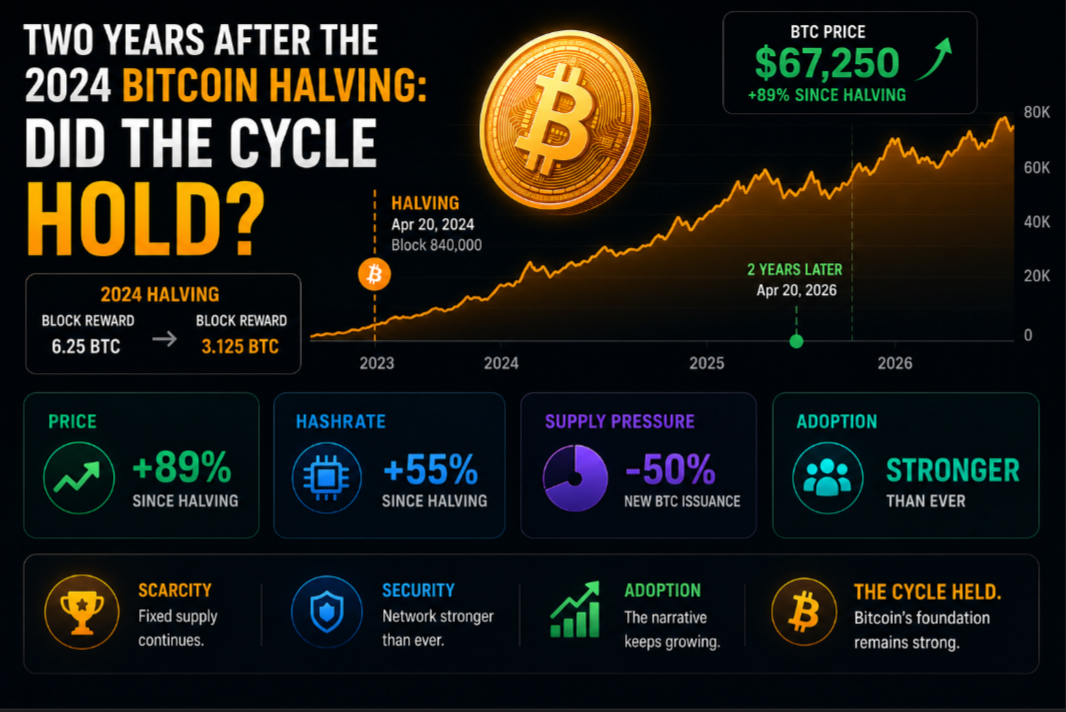
Bitcoin’s monetary policy is the part that makes it weird. About every four years, every 210,000 blocks, the block reward gets cut in half. This is the halving. It permanently slows the rate at which new BTC enters circulation.
The four halvings so far:
- November 2012: block reward dropped from 50 BTC to 25 BTC.
- July 2016: 25 BTC to 12.5 BTC.
- May 2020: 12.5 BTC to 6.25 BTC.
- April 2024: 6.25 BTC to 3.125 BTC.
FAQ
What is Bitcoin used for?
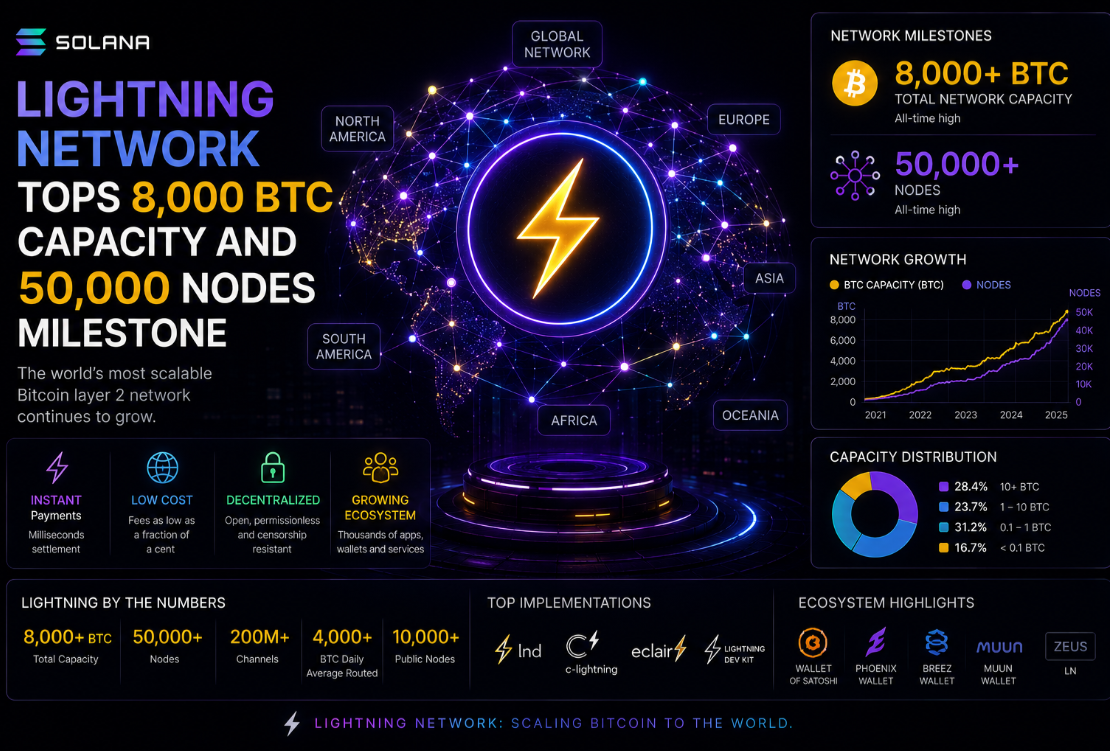
Most holders use Bitcoin as a long-term store of value. Treasuries and ETF investors hold it as a non-sovereign reserve asset. It is also a settlement network for cross-border payments. For everyday spending, the Lightning Network handles small instant transactions, and a small number of payment processors accept BTC directly.
How many bitcoins are left to mine?
The total supply is capped at 21 million coins. About 19.7 million are already mined; 1.3 million remain. The block reward halves every four years, so the rest will trickle out very slowly. The last coin is expected around the year 2140.
Is it too late to buy Bitcoin?
Depends on your time horizon and how much volatility you can tolerate. Bitcoin has dropped 75% or more in every previous cycle, but each cycle has set a new high. Holders with a 4 to 8 year horizon have generally been rewarded. Short-term traders, less so.
How is the Bitcoin price calculated?
The reference price is a volume-weighted average across major spot exchanges. Each exchange prices BTC against USD or USDT from its own order book. Aggregators combine those prices and weight them by liquidity. The result is the BTC/USD figure on this page, refreshed every 60 seconds.
Can Bitcoin reach $1 million?
A $1 million BTC price would mean a market capitalization near $21 trillion, on par with all gold ever mined plus a meaningful slice of global bonds. Some institutional models project this level over 10 to 20 years. Nothing is guaranteed; the answer depends on adoption, regulation, and macro conditions.
Is Bitcoin legal?
Bitcoin is legal in most countries, including the US, the UK, the EU, Canada, Japan, and Australia. A small number of jurisdictions (China, Algeria) ban or heavily restrict it. El Salvador and the Central African Republic have at various points granted it legal-tender status.
What is the difference between Bitcoin and a Bitcoin ETF?
Holding Bitcoin directly means owning the asset on the blockchain and controlling the private keys. You can send transactions and use the network. A Bitcoin ETF is a regulated security that tracks the BTC price; you own shares in a fund, not coins, and cannot withdraw them to a wallet. ETFs are easier to access through a brokerage account, but you depend on the issuer’s custody.
How is Bitcoin taxed?
Most countries tax Bitcoin as property or as a capital asset, not as currency. Selling, swapping, or spending BTC creates a taxable event, and gains usually fall under capital-gains rates. Tax rules vary widely, so talk to a local professional before assuming anything.
Stay informed
View all →