
Ethereum has reached a historic milestone as staking participation surpassed 30 million ETH, representing approximately 25% of the network's total supply. This achievement underscores the growing maturity of Ethereum's proof-of-stake consensus mechanism and reflects increased institutional and retail confidence in staking protocols. The milestone also highlights the rapid expansion of liquid restaking derivatives, which have emerged as a crucial infrastructure layer enabling validators to unlock additional yield on their staked capital.
30 Million ETH Staked: The 25% Milestone
Ethereum crossed the 30 million ETH staked threshold in April 2026, marking a significant inflection point for network security and tokenomics. This represents a 3x increase from just three years prior, when staking participation hovered around 10 million ETH. The milestone demonstrates that validator operators—both institutional and individual—increasingly view Ethereum staking as a core long-term strategy rather than a speculative income source.
With 30 million ETH staked out of 120 million total supply, Ethereum has achieved one of the highest validator participation rates among major proof-of-stake networks. This 25% threshold is economically and cryptographically significant: it indicates that a substantial portion of Ethereum's economic security now derives from staking rewards rather than external market liquidity alone, creating a self-reinforcing security mechanism.
Lido Dominance vs. Solo and Client Diversity
Staking participation remains highly concentrated, with Lido DAO controlling approximately 32% of all staked ETH (roughly 9.6 million ETH). This concentration presents both operational efficiency and governance risks: Lido's success enables capital-efficient liquid staking at scale, yet raises concerns about centralization if a single protocol captures majority consensus power.
The remaining 68% of staking is distributed across:
- Solo stakers: ~18 million ETH (60%), operating independent validator nodes
- Coinbase Staking, Kraken, and other CEX-based staking: ~3 million ETH (10%)
- Other liquid staking protocols (Rocket Pool, Frax Finance, Eigenlayer restakers): ~1.2 million ETH
Solo staker growth has accelerated significantly as home-staking tools improved and hardware costs declined. This decentralization is healthy: it ensures that no single entity controls network consensus, reducing regulatory pressure and improving resilience.
Liquid Restaking on EigenLayer: The New Yield Layer
The emergence of liquid restaking protocols, particularly EigenLayer, has created a new economic layer atop Ethereum staking. EigenLayer enables stakers to "restake" their ETH or liquid staking tokens (like stETH) to secure additional services—Actively Validated Services (AVS)—beyond Ethereum consensus. This innovation allows validators to earn multiple yield streams from the same staked capital, driving impressive APY figures.
EigenLayer restaking has grown from zero to over 15 million ETH equivalent by April 2026, making it one of the fastest-growing protocols in crypto history. This growth reflects the arbitrage opportunity: stakers earn ~3.5% from Ethereum base layer plus an additional 2-4% from restaking services, creating a compelling 5.5-7.5% total APY.
However, restaking introduces complexity:
- Slashing risk: AVS-induced penalties could compound across multiple services
- Liquidity fragmentation: capital becomes locked in specific AVS commitments
- Centralization pressure: high-yield restaking attracts institutional players, concentrating stake
- Smart contract risk: EigenLayer and AVS protocols introduce additional attack surface
ether.fi and Renzo: The Restaking Derivative Boom
Alongside EigenLayer, derivative protocols like ether.fi and Renzo have emerged as user-friendly interfaces for restaking. These protocols bundle staking and restaking into single tokens (eETH, ezETH), simplifying the user experience while generating yield from multiple sources. ether.fi has attracted over 2 million ETH, while Renzo scaled similarly, together representing substantial alternatives to traditional Lido staking.
The competition between liquid staking protocols (Lido, Rocket Pool) and restaking derivatives (ether.fi, Renzo) has created healthy market dynamics: fees are competitive, user experience improves continuously, and innovation accelerates. This ecosystem maturation suggests that Ethereum staking is transitioning from passive income to sophisticated yield farming.
Validator Queue Dynamics and Entry Barriers
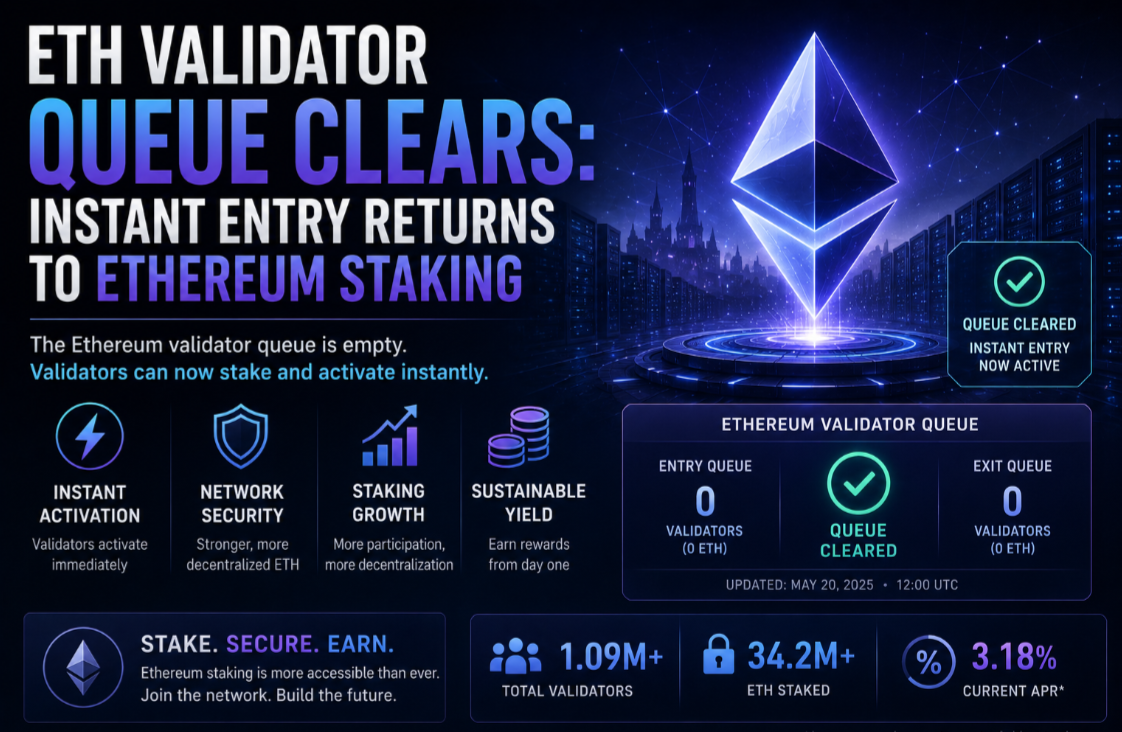
The validator activation queue has grown significantly with the surge in staking interest. New validators now face 1-3 month delays before activation on Ethereum, reflecting the network's design to limit consensus-layer churn. This queue has several implications:
- Patient capital dominance: only long-term stakers can justify the activation delay
- Operational maturity: casual participants opt for liquid staking, leaving dedicated validators
- Fee stability: queue pressure may reduce retail participation in solo staking, stabilizing validator economics
- MEV sophistication: longer operator tenures enable more sophisticated MEV-capture strategies
The 30 million ETH milestone was reached despite queue pressures, suggesting that staking demand exceeds supply—a bullish indicator for Ethereum validator economics long-term.
ETH Issuance vs. Burn: The Tokenomics Inflection
Ethereum's daily issuance has declined to approximately 13,000 ETH from peaks of 25,000 ETH during earlier validator ramp-up. Simultaneously, ETH burn from transaction fees averages 8,000-12,000 ETH daily. This creates a critical inflection point: depending on network activity, Ethereum may already be approaching net-deflationary equilibrium, where daily burn approaches or exceeds daily issuance.
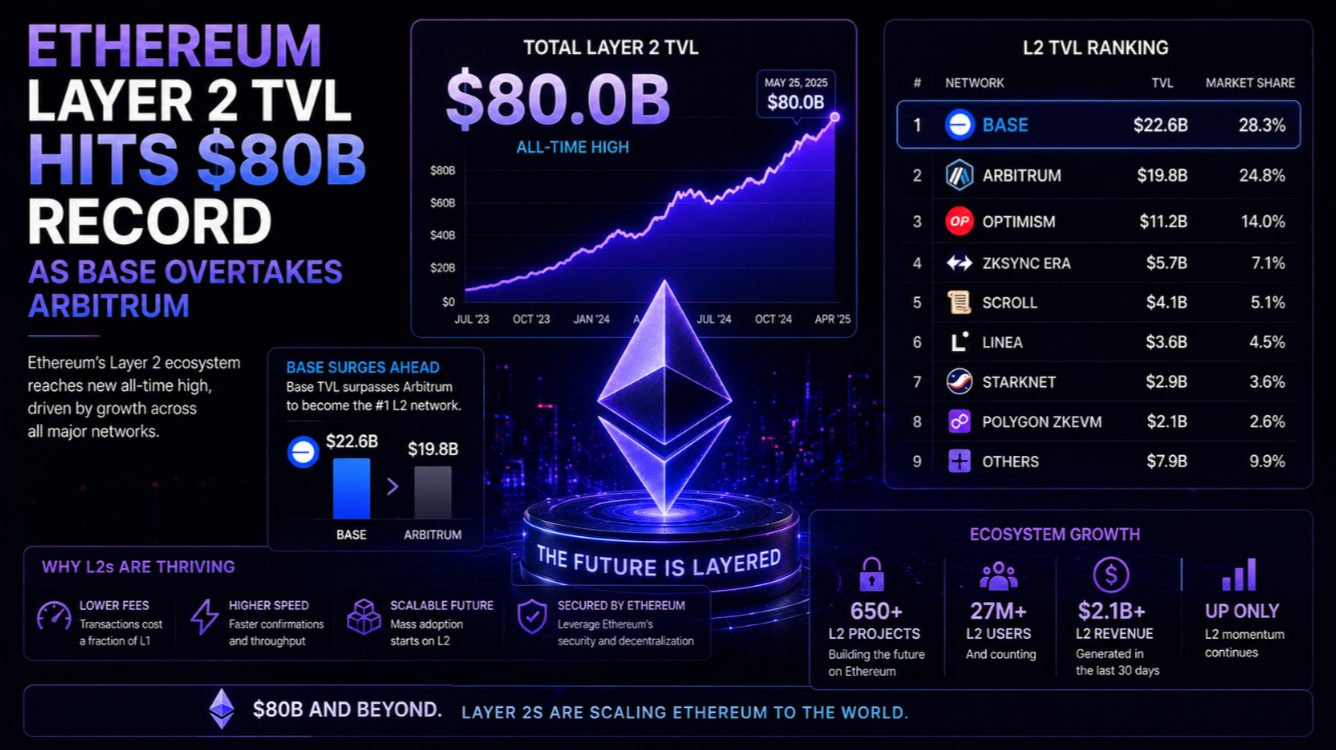
With Layer 2 transaction volume accelerating and blob markets maturing post-Dencun, ETH burn could exceed 15,000 daily in coming months. If realized, this would create genuine deflationary pressure on ETH supply despite 30 million staked ETH generating new issuance. For long-term holders, this dynamic creates a powerful tailwind independent of price speculation.
Key metric: if net daily burn reaches 2,000+ ETH, Ethereum achieves net deflation—a historic first for any major proof-of-work or proof-of-stake blockchain.
Price Implications and Long-Term Outlook
The convergence of 30 million ETH staked, liquid restaking innovation, and potential ETH deflation creates a multi-factor bullish scenario for Ethereum tokenomics. Staking participation locks up capital that cannot be sold immediately, reducing free-float supply. Restaking demand pushes institutional participation higher. Deflation, if achieved, creates positive feedback loops through supply compression.
Risks to this scenario include: regulatory scrutiny on staking-as-a-service platforms, EigenLayer slashing events that spook restakers, macro market contraction reducing yield-seeking behavior, and competition from alternative L1 protocols. However, the structural tailwinds—capital lock-up, yield demand, and deflationary mechanics—appear more robust than these downside scenarios.
For investors and developers, the 30 million ETH staked milestone signals that Ethereum has matured into a self-reinforcing economic system. Staking security, liquid derivatives, and tokenomics alignment create multiple reasons to remain bullish on Ethereum's long-term trajectory beyond simple price speculation.