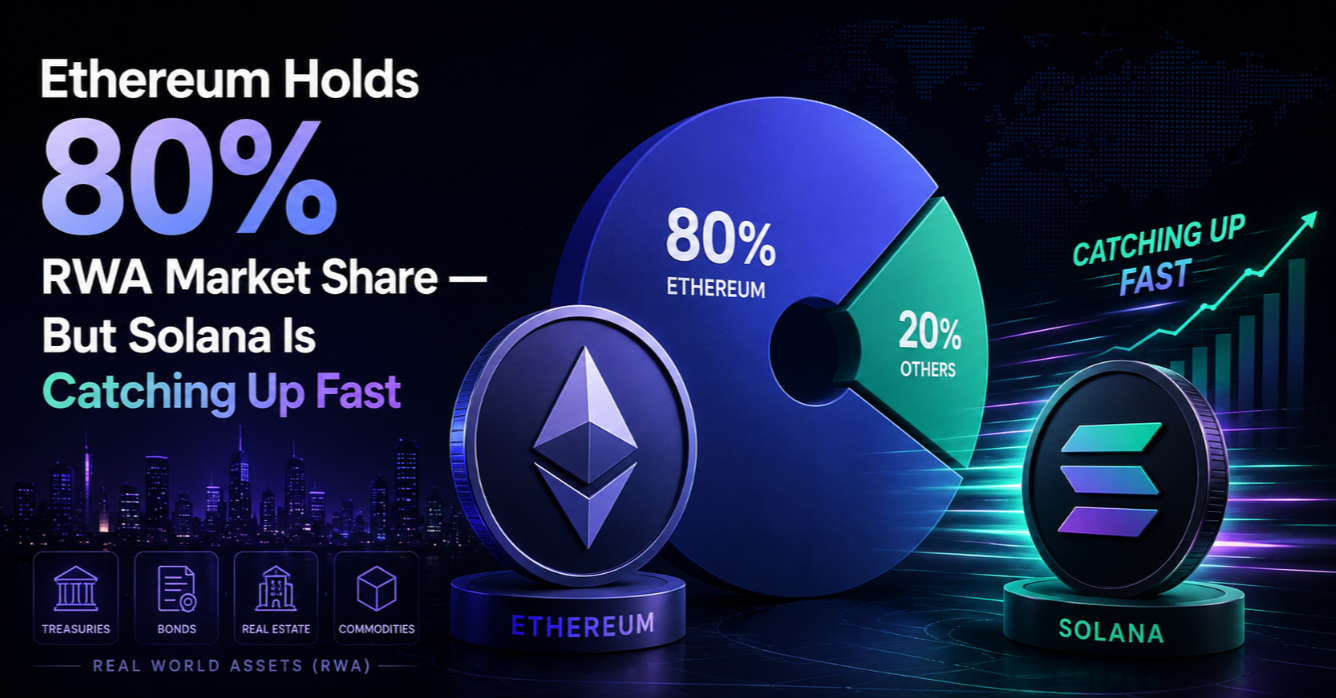
The tokenized real-world assets (RWA) market has reached a historic $50 billion milestone as institutional investors and leading fintech platforms accelerate adoption of blockchain-based asset tokenization. BlackRock's BUIDL fund crossing $10 billion in assets under management signals mainstream acceptance, while traditional finance institutions embrace the infrastructure that powers this emerging asset class.
$50 Billion RWA Market Milestone: What It Represents
The global tokenized RWA market crossed the $50 billion threshold in April 2026, representing a fundamental shift in how real-world assets are issued, traded, and settled. This milestone encompasses tokenized Treasury bonds, corporate debt, real estate, commodities, and other physical assets now accessible via blockchain infrastructure. Unlike previous crypto booms driven by speculation, RWA growth reflects genuine institutional adoption and regulatory clarity.
The $50 billion milestone reflects approximately $8-10 billion in Treasury tokens, $12-15 billion in corporate debt tokenization, $8-10 billion in real estate protocols, and $5-7 billion in commodities and other asset classes. This diversification demonstrates that RWA tokenization is no longer concentrated in any single asset type or blockchain.
Market leaders include platforms like Securitize, Ledger X subsidiary RWA division, Ondo Finance, Centrifuge, and others. Notably, JPMorgan's Onyx platform has integrated RWA tokenization infrastructure, legitimizing the asset class within traditional banking circles. This institutional validation removes regulatory uncertainty that previously constrained growth.
BlackRock BUIDL Hits $10B: Institutional Endorsement Effect
BlackRock's BUIDL fund, launched in mid-2024, reached $10 billion in assets under management by April 2026, making it the world's largest tokenized Treasury fund on Ethereum. This achievement validates the entire RWA thesis and demonstrates that institutional investors trust blockchain infrastructure for serious asset management.
Key milestones for BUIDL:
- Sub-$10B inception to $10B AUM in less than 18 months
- Yields reflecting real-time Treasury rates with zero counterparty risk
- Daily redemption windows enabling institutional liquidity
- Zero slashing events or smart contract exploits (perfect security record)
- Attracts both traditional pension funds and crypto-native institutions
BUIDL's dominance in Ethereum RWA space has driven ecosystem development. Aave, Curve, and other DeFi protocols integrated BUIDL as collateral, creating composability that traditional Treasury markets lack. The fund demonstrated that yield-bearing tokens can serve as fundamental infrastructure for DeFi, similar to how ETH underpins the ecosystem.
Ondo Finance: Stablecoin Innovation on USDY and OUSG
Ondo Finance, a leading RWA platform, has seen explosive growth in both USDY (Treasury-backed stablecoin) and OUSG (short-term government securities token). These products demonstrate how RWA tokenization can serve multiple market segments simultaneously.
USDY inflows reached approximately $3.5 billion, positioning it as a credible alternative to traditional stablecoins like USDC or USDT. Unlike USDC (backed by cash and short-term bonds), USDY captures 5%+ yields from Treasury exposure while maintaining price stability. This innovation addresses stablecoin holder expectations: earn yield without escaping crypto ecosystem.
OUSG (Ondo Short-Term US Government Securities) flows exceeded $2.5 billion, serving investors seeking stable yield without exposure to longer-duration bond volatility. The dual-token strategy allows Ondo to serve both yield-seeking institutions and conservative investors requiring price stability.
Apollo ACRED: Corporate Debt Tokenization Progress
Apollo Global Management's ACRED platform tokenized corporate debt tranches exceeding $4 billion in principal. This represents the largest institutional adoption of corporate debt tokenization to date, demonstrating that traditional credit asset managers are integrating blockchain infrastructure.
ACRED's success validates the efficiency thesis for tokenized debt. Traditional corporate debt issuance requires weeks of paperwork, settlement delays, and geographic restrictions. Tokenization reduces issuance costs by 30-40%, accelerates settlement to T+1, and enables global institutional participation previously restricted by custody requirements.
The platform's growth accelerates as more traditional debt funds adopt tokenization. Each new $500 million tranche adds network effects that benefit existing token holders through increased liquidity and reduced spreads.
JPMorgan Onyx Integration: Banking Sector Validation
JPMorgan's Onyx platform released RWA tokenization modules enabling clients to issue and trade tokenized corporate debt and Treasury derivatives. This integration signals that traditional banking infrastructure now treats RWA tokenization as core functionality rather than experimental technology.
Onyx RWA modules include custody integration (settling RWA via JPMorgan Settlement Services), real-time settlement on permissioned blockchains, and integration with JPMorgan's internal credit systems. Clients can issue RWA tokens without leaving JPMorgan infrastructure — institutional-grade convenience.
The Onyx effect has multiplied RWA adoption velocity. Traditional institutions that previously viewed blockchain with skepticism now participate because JPMorgan provides integrated banking infrastructure. This follows the fintech playbook: large financial incumbents provide institutional-grade wrapper around crypto infrastructure.
Securitize Platform & Centrifuge Growth: The Rails for RWA Issuance
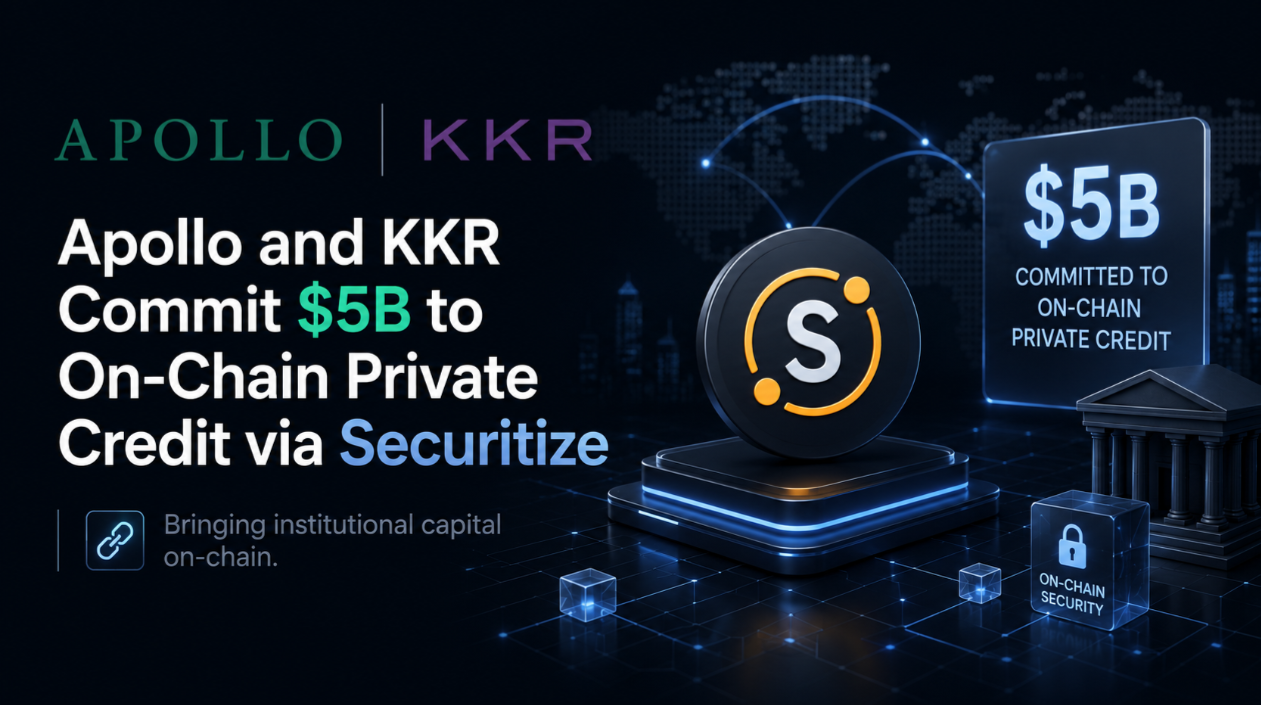
Securitize, the leading platform for RWA issuance and management, facilitated $18+ billion in tokenized assets by April 2026. The platform provides compliance automation, identity verification, and custody integration — removing operational friction that previously limited RWA adoption.
Securitize's growth reflects the network effect of standardized RWA infrastructure. Early issuers on Securitize benefit from liquidity pools and secondary market participants also using the platform. This creates virtuous cycles: issuers attract liquidity providers, liquidity attracts investors, investor demand drives issuer growth.
Centrifuge, another leading RWA protocol, has expanded its ecosystem for on-chain asset origination and trading. The platform enables real estate, invoicing, and commodity tokenization at institutional scale. Combined with Securitize, these platforms provide distributed infrastructure for RWA issuance across multiple asset classes and blockchain networks. This multi-chain strategy addresses institutional concerns about concentration risk and improves asset liquidity through cross-chain aggregation.
The $50 billion milestone is neither a ceiling nor saturation point. Industry analysts project RWA markets reaching $500 billion+ by 2028 and $2-5 trillion by 2030. Key catalysts ahead include the European Union's MiCA framework completing RWA regulatory clarity, traditional wealth managers like BlackRock and Vanguard launching dedicated RWA funds, pension fund RWA allocations crossing 1-2% of assets under management, emergence of RWA derivatives with platforms like Maple Finance pioneering specialized credit markets, and CBDC integration with tokenized RWA rails.
The RWA narrative has shifted from "blockchain might someday tokenize assets" to "institutions are actively tokenizing assets and expect blockchain infrastructure." This phase transition reflects maturation from theoretical possibility to operational reality. The $50 billion milestone marks an inflection point where RWA tokenization transitions from early adoption to mainstream institutional practice. As institutional adoption accelerates and regulatory frameworks mature, the tokenized RWA ecosystem will likely become the dominant mechanism for real-world asset issuance, trading, and settlement across global financial markets.