
Ethereum's most ambitious hard fork since the Merge has successfully activated on mainnet. Pectra — the combined Prague execution-layer and Electra consensus-layer upgrade — ships a payload of 11 EIPs that collectively expand blob throughput, unlock smart-account functionality for externally owned wallets, and streamline validator operations. Early block explorers confirm zero chain splits and smooth activation.
What Is Pectra and Why It Matters
Pectra is the successor to the Dencun upgrade (March 2024), which introduced proto-danksharding (EIP-4844) and slashed Layer 2 fees by up to 95 %. Where Dencun focused on data availability, Pectra broadens its scope to cover the full stack: execution, consensus, and staking UX. Developers have been tracking this fork for over 18 months; it passed final testnet activation without incident before landing on mainnet.
For ordinary ETH holders the most visible change is improved wallet ergonomics. For node operators and validators, consolidation mechanics and faster activation queues remove long-standing bottlenecks. For builders, expanded blob capacity directly lowers the cost floor for any application that batches data to Ethereum.
EIP-7702: Smart Accounts for Every Wallet
The headline EIP ships a "set code" transaction type that lets any externally owned account (EOA) temporarily adopt smart-contract logic for the duration of a transaction. In plain English: your existing MetaMask or Ledger address can now sponsor gas for other users, batch multiple calls atomically, or enable session keys — all without migrating to a new address.
Key developer implications:
- Dapps can offer gasless onboarding without deploying separate account-abstraction infrastructure
- Batch approvals replace the notorious unlimited-approve attack surface
- Cross-chain session keys enable seamless multi-network UX
- Existing EOA addresses retain their history and balances — no migration needed
EIP-7702 is widely regarded as the pragmatic bridge between ERC-4337 (which requires new smart-contract wallets) and the legacy EOA universe that holds the vast majority of ETH and NFT value today.
Expanded Blob Capacity: The Layer 2 Multiplier
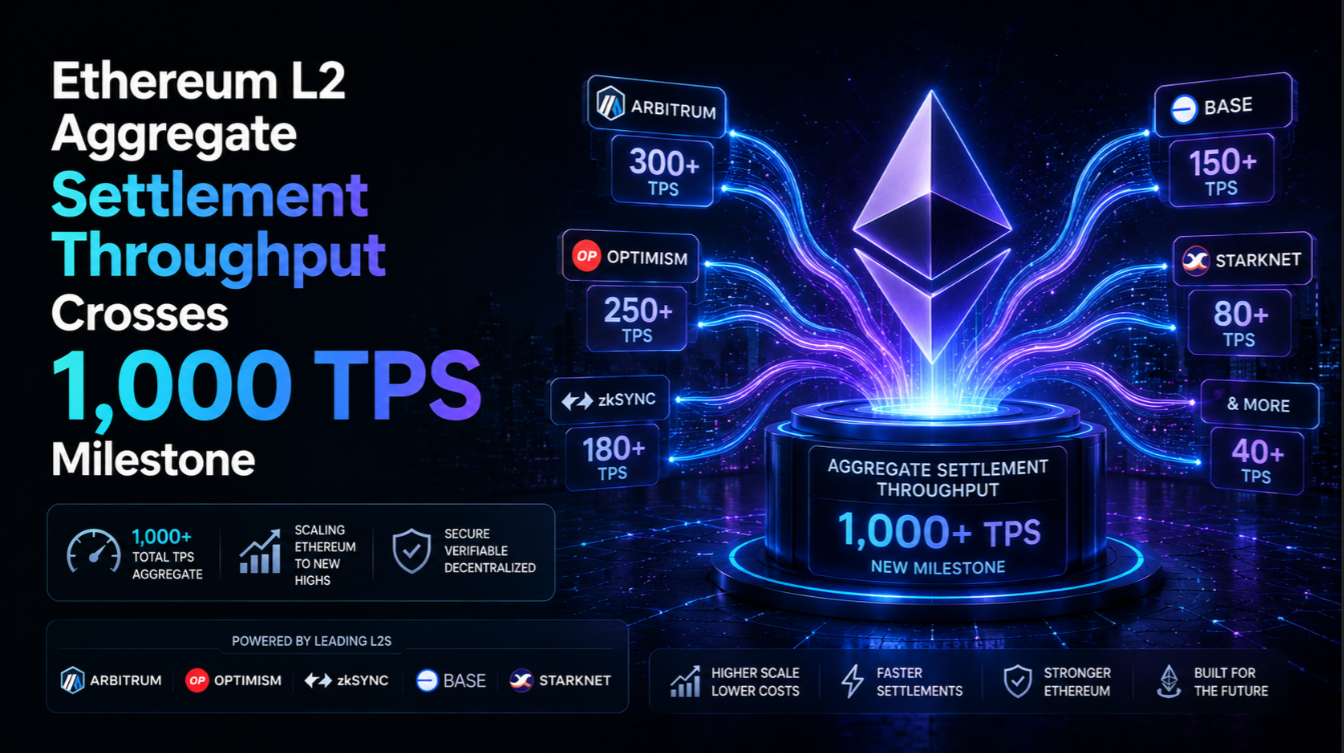
Pectra raises the blob target from 3 to 6 per slot and the maximum from 6 to 9. This doubles the baseline data throughput available to Layer 2 roll-ups, directly translating into lower fees for end users on networks like Arbitrum, Optimism, and Base. Blobs are priced on a separate fee market, so increased capacity widens supply and should keep prices suppressed even as usage grows.
For context, Dencun's introduction of blob space compressed L2 transaction costs from roughly $1 to under $0.01. Pectra's expansion extends that runway for the next 12–18 months of L2 growth. Developers building on Arbitrum and other optimistic roll-ups will immediately benefit from the extra headroom.
Full danksharding — the endgame for Ethereum's data availability roadmap — remains a future milestone, but Pectra's blob expansion is a meaningful step toward 100,000 transactions per second theoretical throughput.
Validator Consolidation and Staking UX (EIP-7251 & EIP-7002)
EIP-7251 raises the effective-balance cap for validators from 32 ETH to 2,048 ETH, allowing large staking operators to consolidate thousands of validator keys into fewer, cheaper-to-run instances. Lido, Coinbase, and other institutional stakers are expected to consolidate aggressively over the coming weeks.
What this means for stakers:
- Solo stakers with more than 32 ETH can now auto-compound rewards without exiting
- Institutional operators dramatically reduce attestation overhead
- Network-wide validator count will decline, improving peer-to-peer message efficiency
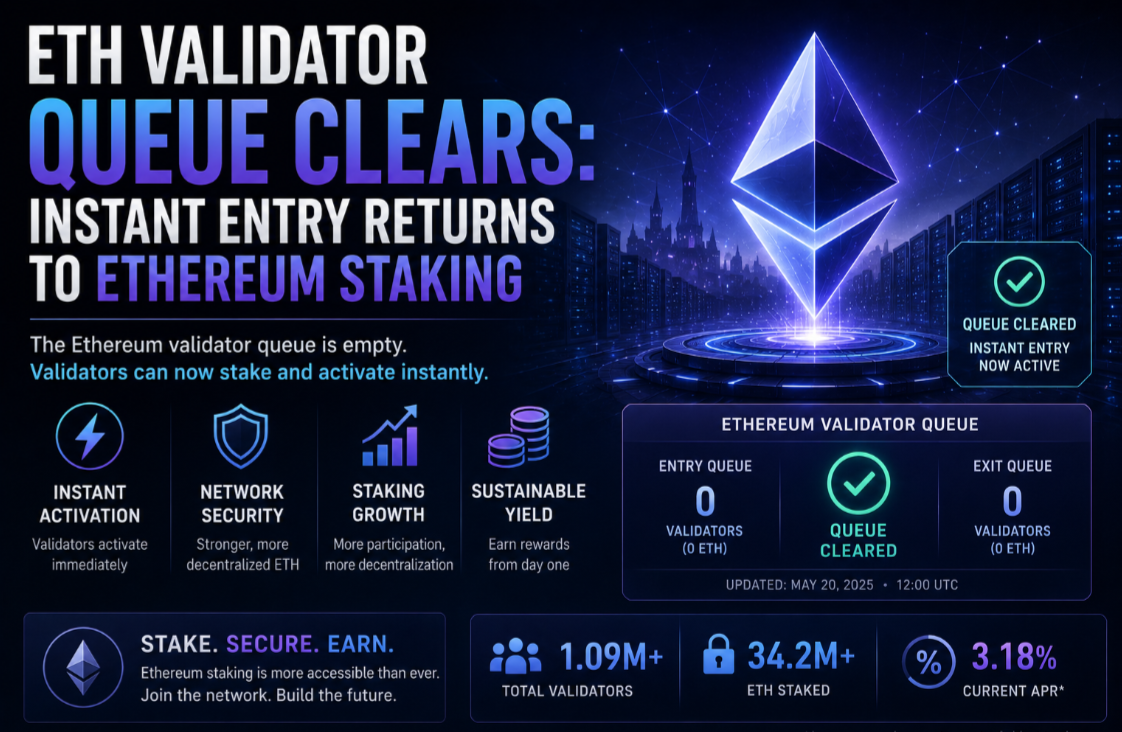
- Activation queue times shorten as effective validator set compresses
EIP-7002 complements consolidation by allowing execution-layer withdrawal triggers — validators can now exit or partially withdraw from a smart contract rather than requiring validator key signatures. This is a critical security improvement for liquid staking protocols including Lido DAO, which manages over $20 billion in staked ETH.
EigenLayer and Restaking: Pectra's Indirect Catalyst
Although not part of Pectra directly, the upgrade's validator consolidation mechanics interact meaningfully with restaking protocols like EigenLayer. Fewer, larger validators with higher effective balances make AVS (actively validated service) operator economics more predictable — a precondition for the next wave of restaking applications.
EigenLayer developers have publicly stated that EIP-7002's execution-layer withdrawal capability simplifies slashing logic for their protocol, reducing smart-contract complexity and audit surface. Restaking TVL, currently above $15 billion, is expected to grow as these risks diminish.
Market Reaction and ETH Price Outlook
"Buy the rumour, sell the news" has been a recurring pattern around Ethereum hard forks, but Pectra's supply-side mechanics are structurally different. Validator consolidation reduces circulating supply pressure; smart-account UX expands the addressable user base; blob expansion lowers L2 fees, driving volume. For a detailed price analysis, see the Ethereum price forecast.
On-chain data shows ETH supply on exchanges declining to multi-year lows in the days surrounding activation, suggesting holders are moving coins to self-custody or staking rather than preparing to sell. Combined with Pectra's deflationary mechanics, the structural backdrop for ETH looks constructive through mid-2026.