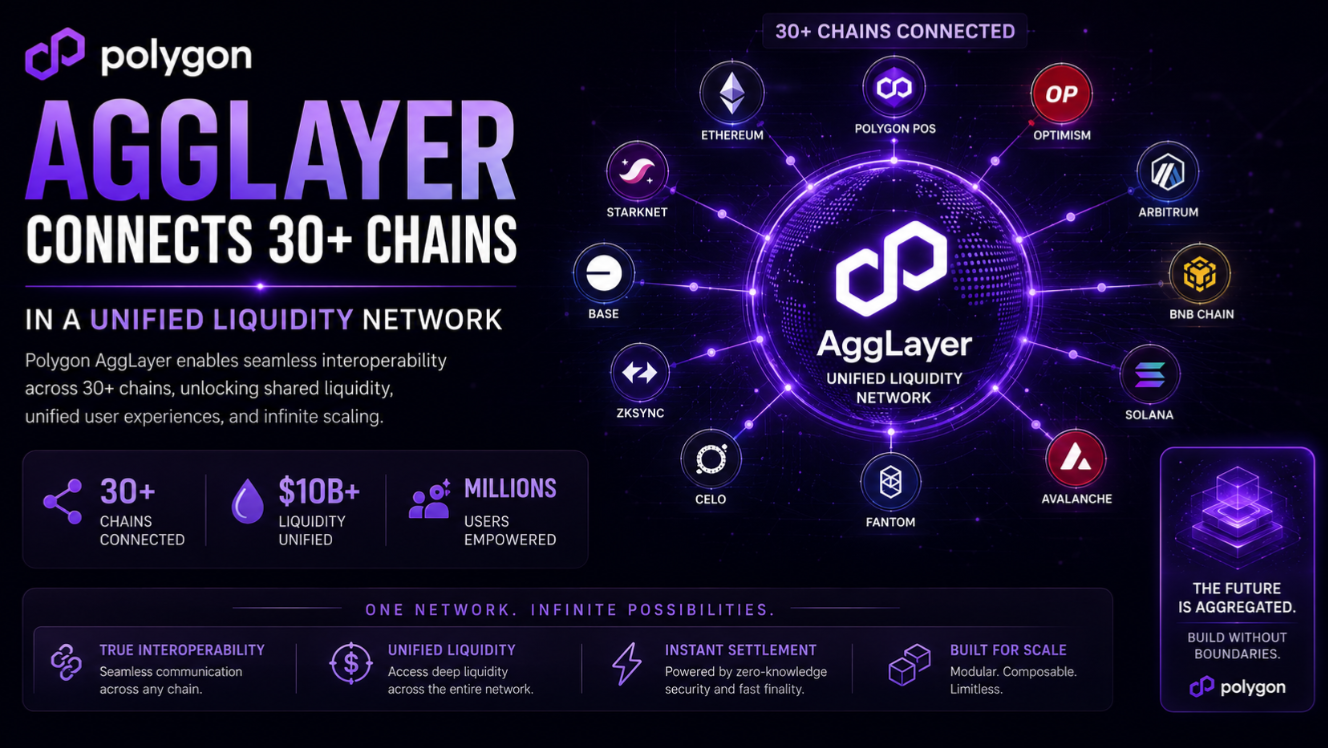
Polygon's AggLayer aggregation protocol reached a significant milestone in April 2026, connecting more than 30 independent blockchains into a single unified liquidity layer secured by ZK proofs settled on Ethereum. The achievement validates Polygon's multi-year bet that the endgame of blockchain scaling is not one dominant L2 but an interoperable network of specialised chains sharing a common security root. For investors, the milestone is directly relevant to the Polygon (POL) market page and broader Ethereum L2 dynamics tracked at the Ethereum forecast.
The Liquidity Fragmentation Problem AggLayer Solves
The Cambrian explosion of L2 networks created a structural problem: every new chain launched with its own isolated liquidity. A user with USDC on Arbitrum and an arbitrage opportunity on a Polygon CDK appchain faced a multi-step journey — bridge from Arbitrum to Polygon, wait for confirmation, swap on the destination chain — that eroded both time and capital. Liquidity providers faced an even harder choice: split capital across chains and earn lower yield on each, or concentrate on one chain and miss opportunities elsewhere.
Traditional cross-chain bridges addressed the symptom but not the root cause: they moved tokens across chains but could not make those chains share liquidity natively. Wrapped tokens (wBTC, wETH on various chains) multiplied the complexity — the same asset existed in dozens of incompatible wrapped versions, each with its own smart contract risk.
How AggLayer Works: Pessimistic Proofs and Unified State
AggLayer's innovation is the pessimistic ZK proof: a proof that validates cross-chain state transitions by assuming all participating chains are simultaneously attempting to behave maliciously. If the proof verifies under this worst-case assumption, it guarantees that the operation is valid regardless of any individual chain's internal behaviour.
The practical flow works as follows: a user initiates a cross-chain swap (say, sending POL on Polygon zkEVM to receive USDC on an appchain). AggLayer's sequencer batches this with other cross-chain operations, generates a unified state root across all participating chains, produces a pessimistic ZK proof validating every balance change, and submits the proof to the AggLayer smart contract on Ethereum. Once the Ethereum transaction confirms, all the state changes in the batch are simultaneously finalised — atomically, with no partial execution possible.
- Atomic settlement: all cross-chain operations in a batch succeed or all revert
- No wrapped tokens: native assets move between chains, not representations
- ZK-secured: cryptographic proof replaces multisig bridge trust assumptions
- Proof aggregation: hundreds of cross-chain operations compressed into a single Ethereum proof
The 30-Chain Network: Who Is Connected
AggLayer's 30+ participating chains fall into three categories. The largest group is Polygon CDK appchains — dedicated chains built using Polygon's Chain Development Kit, which includes native AggLayer integration. Notable CDK chains include Manta Pacific (DeFi), Astar zkEVM (Japan-focused gaming and payments), Immutable zkEVM (NFTs and gaming), and OKX's X Layer (exchange-native DeFi).
The second category is Polygon's own chains: Polygon PoS (the legacy chain with ~$2B TVL) and Polygon zkEVM (the Type-2 zkEVM rollup). These serve as the backbone of AggLayer's liquidity, providing depth that new appchains can tap from day one.
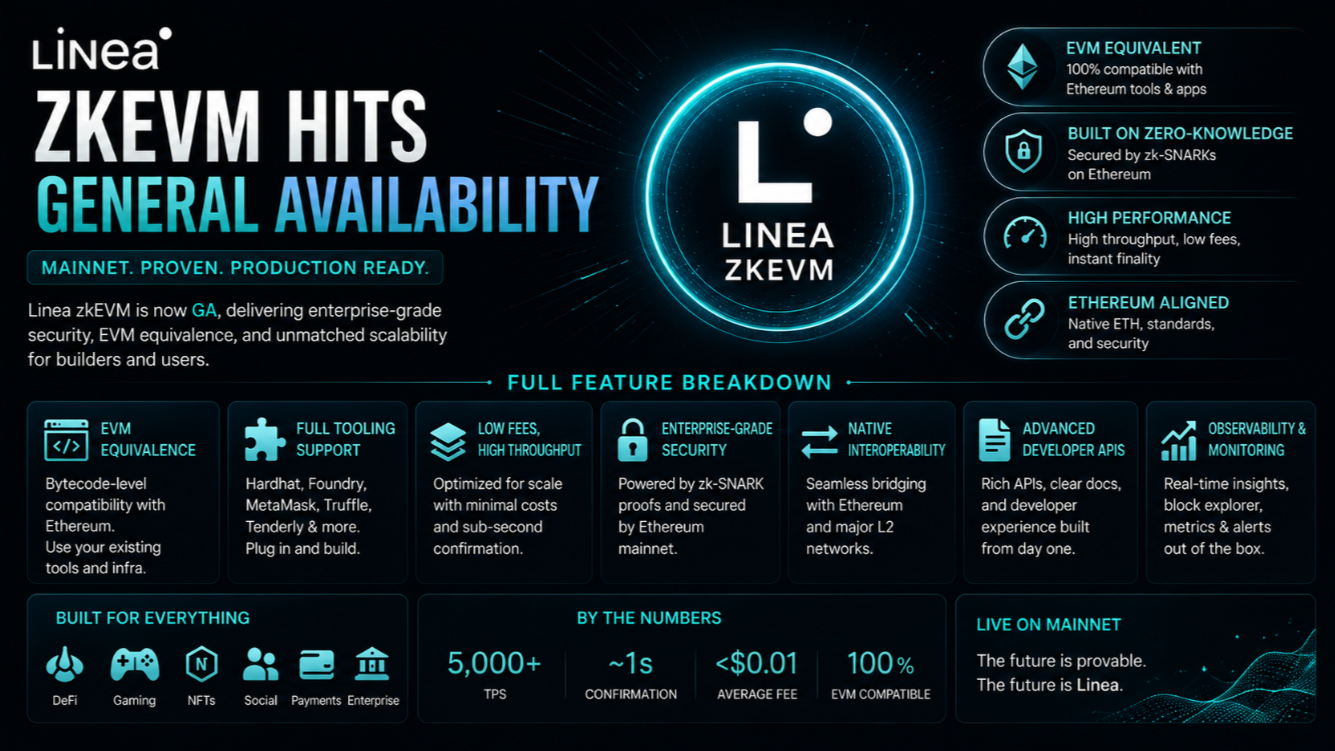
The third category — non-Polygon ZK rollups connecting via AggLayer v1.5's external adapter — is the most strategically significant. If major independent rollups (zkSync, Linea, Scroll) eventually join AggLayer, the protocol becomes a true cross-ecosystem interoperability layer rather than a Polygon-internal system.
DeFi Composability Unlocked by AggLayer
Unified liquidity enables DeFi interactions that were previously impossible or impractical. A lending protocol on one AggLayer chain can use collateral posted on another chain without manual bridging. A perps DEX can settle funding payments across multiple chains atomically. A yield aggregator can rebalance capital across 30 chains in a single transaction without ever incurring bridge fees or slippage from token wrapping.
Quickswap, Polygon's primary DEX, launched cross-AggLayer routing in Q1 2026: users see a unified order book aggregating liquidity from all 30 chains and execute trades that automatically route cross-chain, receiving native tokens on the destination chain within seconds of the Ethereum proof confirmation.
Competitive Context: AggLayer vs Optimism Superchain
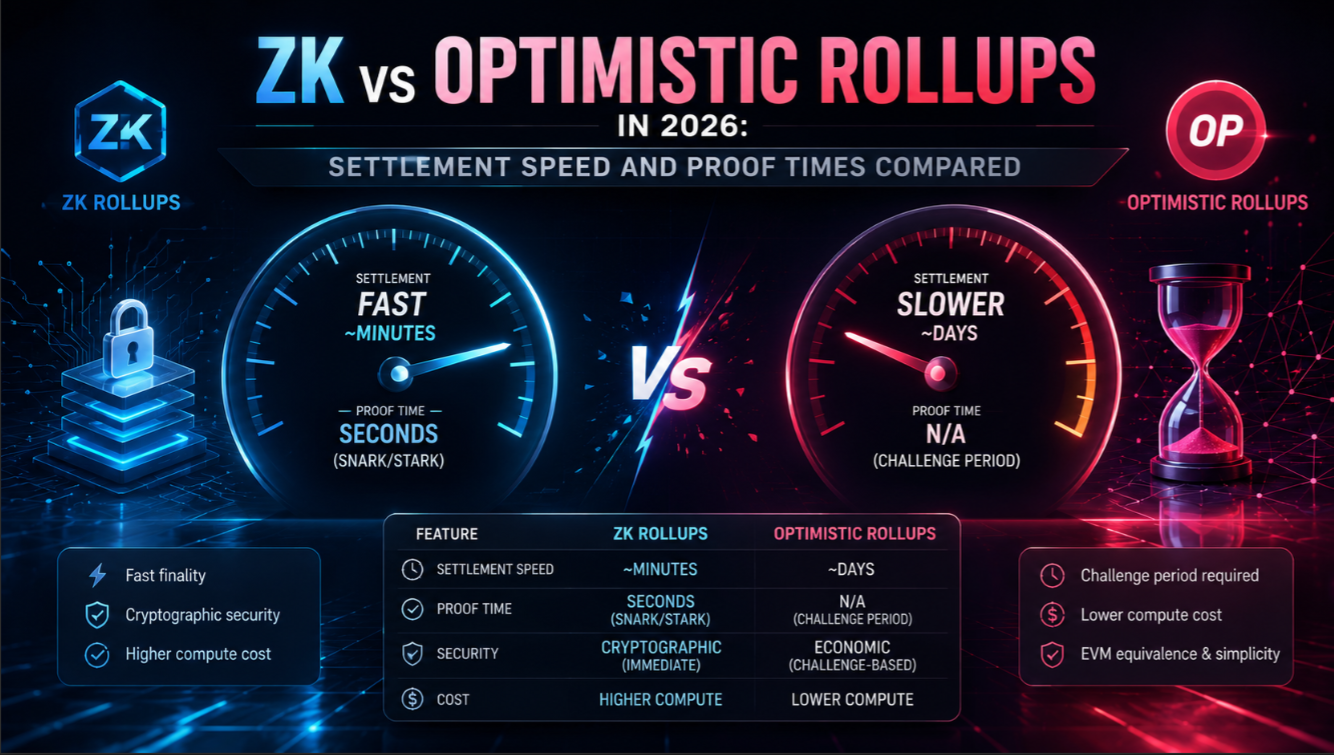
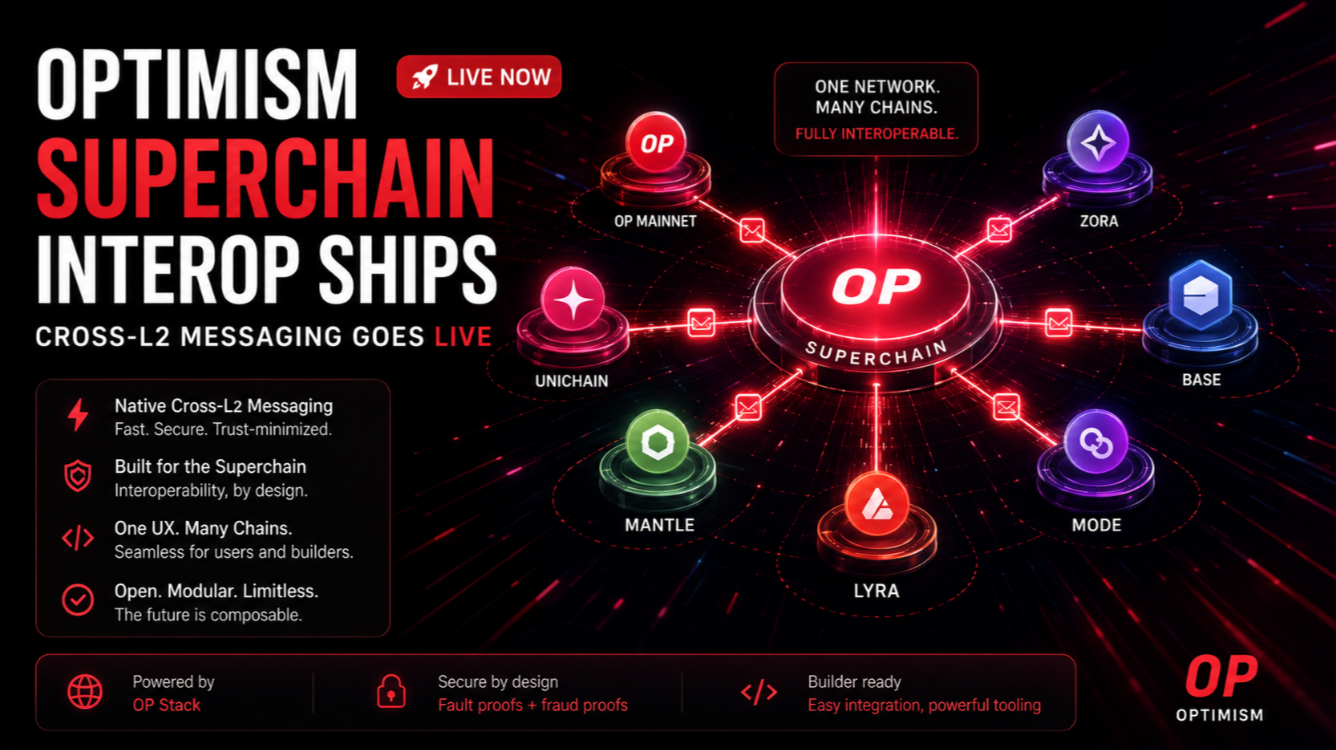
AggLayer's closest architectural competitor is Optimism's Superchain: a network of OP Stack chains sharing a message-passing layer and settlement on Ethereum. The key difference is the security model — Superchain uses optimistic fraud proofs with a 7-day challenge window for withdrawals; AggLayer uses ZK proofs with ~30-minute finality. AggLayer's faster finality enables native asset bridging with near-instant settlement, whereas Superchain's 7-day window requires liquidity providers to front funds for fast bridging.
Both approaches are maturing simultaneously. Optimism's cross-chain messaging ships (see the dedicated article in this batch), while Polygon's AggLayer hits 30+ chains. The competitive pressure is accelerating innovation on both sides — a positive outcome for users and developers who benefit from faster, cheaper, and safer cross-chain experiences.
Compare POL's competitive position at the Polygon market page alongside Arbitrum and Mantle to evaluate the full L2 landscape.