Why your choice of L2 matters for DeFi in 2026
The Layer 2 ecosystem has matured dramatically. Dozens of chains now compete for DeFi liquidity, developer mindshare, and user activity. Fees on all major L2s are under $0.01 for a swap — that baseline is table stakes. What differentiates chains in 2026 is depth of liquidity, breadth of protocol support, quality of infrastructure (oracles, bridges, MEV protection), and the pace of new protocol deployment.
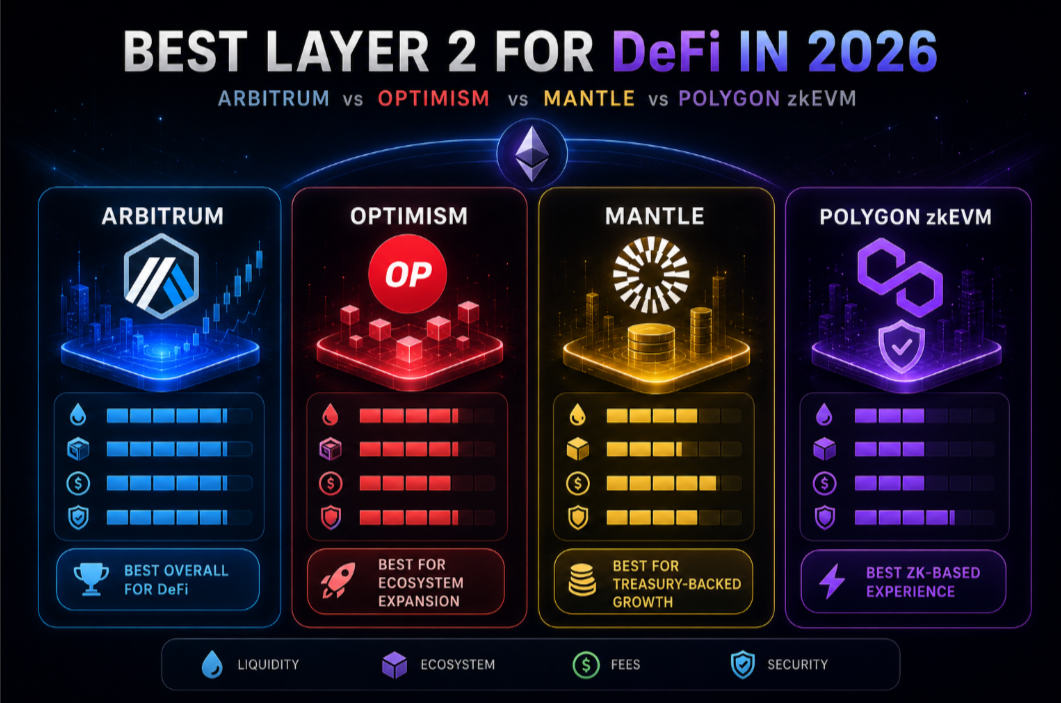
This guide evaluates Arbitrum, Optimism and the OP Superchain, Polygon zkEVM, Mantle, and zkSync Era across the criteria that matter most for DeFi participants: liquidity, protocol support, fees, MEV environment, and long-term roadmap.
Arbitrum — the DeFi liquidity leader
Arbitrum One remains the highest-TVL Ethereum L2 in 2026, with over $20 billion in total value locked. The depth of its DeFi ecosystem is unmatched: Uniswap, Aave, Curve, GMX, Camelot, Pendle, Radiant Capital, and dozens of smaller protocols are all fully deployed and actively developed. Oracle coverage is comprehensive — Chainlink, Pyth, and API3 all provide low-latency price feeds.
Arbitrum's edge over competitors comes down to flywheel effects: deep liquidity attracts more protocols, which attract more users, which deepen liquidity further. The Arbitrum DAO has distributed over $200 million in ARB grants since 2023, subsidising protocol growth and incentive programmes. For users who want the maximum choice of DeFi strategies, Arbitrum is the default starting point.
- Best for: Perpetuals trading (GMX, Vertex), large-scale yield farming, lending/borrowing, professional DeFi.
- Strengths: Deepest liquidity, full EVM compatibility, most comprehensive protocol list, strong Chainlink/Pyth oracle coverage.
- Weaknesses: Centralised sequencer, 7-day native withdrawal, Optimistic architecture means weaker security model vs ZK long-term.
- ARB token: Governance token — staked ARB earns protocol fee revenue share.
Optimism and the OP Superchain — volume leader
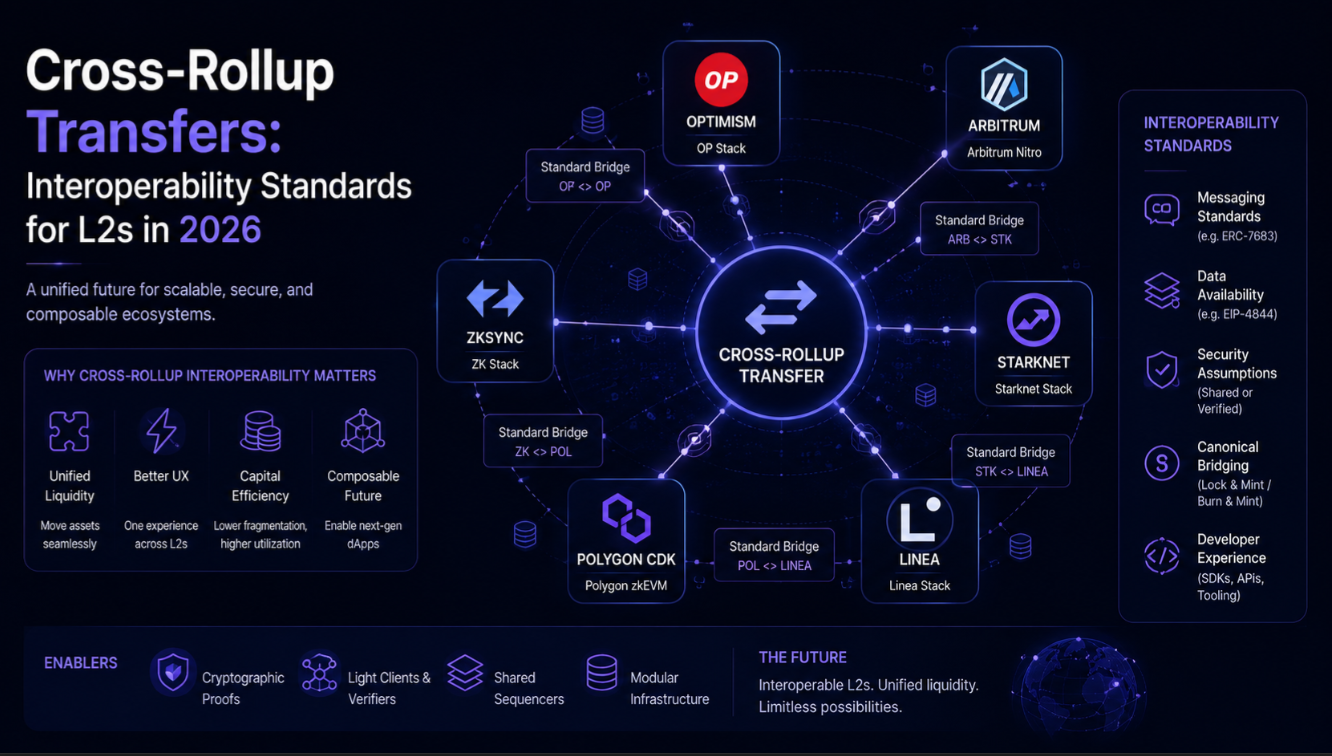
Optimism OP Mainnet hosts major DeFi protocols including Velodrome (the chain's dominant DEX), Synthetix, Aave, and Uniswap. But the more significant development is the OP Superchain — a network of chains all built on the OP Stack with shared sequencing and interoperability. Base (Coinbase's L2), Mode, Zora, and over 20 other chains run on OP Stack.
Collectively, the OP Superchain processes more daily transactions than any other L2 ecosystem, driven primarily by Base's retail adoption and Coinbase integration. For users who already use Coinbase, Base is the natural on-ramp — assets bridge seamlessly and the Base ecosystem has grown rapidly with protocols like Aerodrome (Velodrome fork), Moonwell lending, and Morpho.
- OP Mainnet best for: Synthetix derivatives, Velodrome liquidity provision, Superchain-native apps.
- Base best for: Coinbase users, retail-friendly apps, rapidly growing ecosystem, social dApps (friend.tech successor).
- Strengths: Superchain interop means seamless movement across ecosystem chains, highest aggregate transaction volume.
- Weaknesses: 7-day native withdrawal, OP Mainnet TVL lower than Arbitrum, Base has less DeFi depth than Arbitrum.
Polygon zkEVM and AggLayer — the ZK ecosystem play
Polygon zkEVM launched in 2023 as Polygon's ZK-powered Ethereum L2. Unlike earlier Polygon PoS (a sidechain, not a true rollup), Polygon zkEVM inherits Ethereum security via ZK validity proofs. It has attracted Uniswap, Aave, Curve, and Balancer deployments and benefits from Polygon's large existing developer and user base.
Polygon's AggLayer is a key differentiator: it aggregates ZK proofs from multiple chains (Polygon zkEVM, CDK-based chains, and eventually other ZK rollups) into a single proof posted to Ethereum. This enables unified cross-chain liquidity — assets on different AggLayer chains can interact atomically, without traditional bridge delay or risk. AggLayer is still in early phases but represents the most technically ambitious cross-chain architecture in 2026.
- Best for: ZK-first DeFi, AggLayer cross-chain strategies, developers building new chains on Polygon CDK.
- Strengths: ZK security model, AggLayer cross-chain vision, large existing Polygon ecosystem, MATIC/POL incentives.
- Weaknesses: Lower TVL than Arbitrum, some EVM precompile gaps, proving times still longer than Optimistic finality.
Mantle — treasury-backed incentives and LST integration
Mantle is an OP Stack-based modular L2 that differentiates itself through an extraordinary treasury (over $2 billion in MNT, ETH, and stablecoins managed by the Mantle DAO) and native liquid staking token (mETH). Its treasury has funded aggressive protocol incentive programmes, attracting Uniswap, Agni Finance, Lendle, and a growing DeFi ecosystem.
mETH (Mantle ETH) is a liquid staking derivative that earns ETH staking yield and can be used as collateral across Mantle DeFi. This native yield layer gives Mantle a structural advantage for yield strategies: users can earn base staking yield plus DeFi protocol yield simultaneously. For users focused on ETH-denominated yield, Mantle offers a compelling combination.
- Best for: ETH staking + DeFi yield stacking, incentive farming via treasury-backed programmes.
- Strengths: Massive treasury, mETH native yield, growing DeFi ecosystem, modular data availability (EigenDA).
- Weaknesses: OP Stack architecture (7-day withdrawals), smaller ecosystem than Arbitrum/OP, MNT token concentration risk.
zkSync Era — ZK native with account abstraction
zkSync Era is developed by Matter Labs and uses their custom zkEVM (Boojum proof system). It was the first EVM-compatible ZK rollup to launch on mainnet and has maintained a significant technical lead in ZK proof efficiency. zkSync's native account abstraction means every wallet is a smart contract, enabling gasless transactions, multi-sig by default, and flexible fee token payment — without the bolted-on complexity of ERC-4337.
The ZKsync ecosystem includes SyncSwap, Mute.io, Maverick Protocol (also on other chains), and zkSync's own ZK token launches. For developers, zkSync's Hyperchains architecture allows launching app-specific ZK chains that settle to Era's proof system, enabling DeFi projects to run their own customised L3 environment.
- Best for: ZK-native DeFi, account abstraction experimentation, developer teams wanting Hyperchain customisation.
- Strengths: Fastest ZK proofs, native account abstraction, Hyperchain L3 architecture, strong technical team.
- Weaknesses: Less TVL than Arbitrum, ZK token controversy, some EVM compatibility edge cases, smaller oracle network.
Fees comparison: all major L2s in 2026
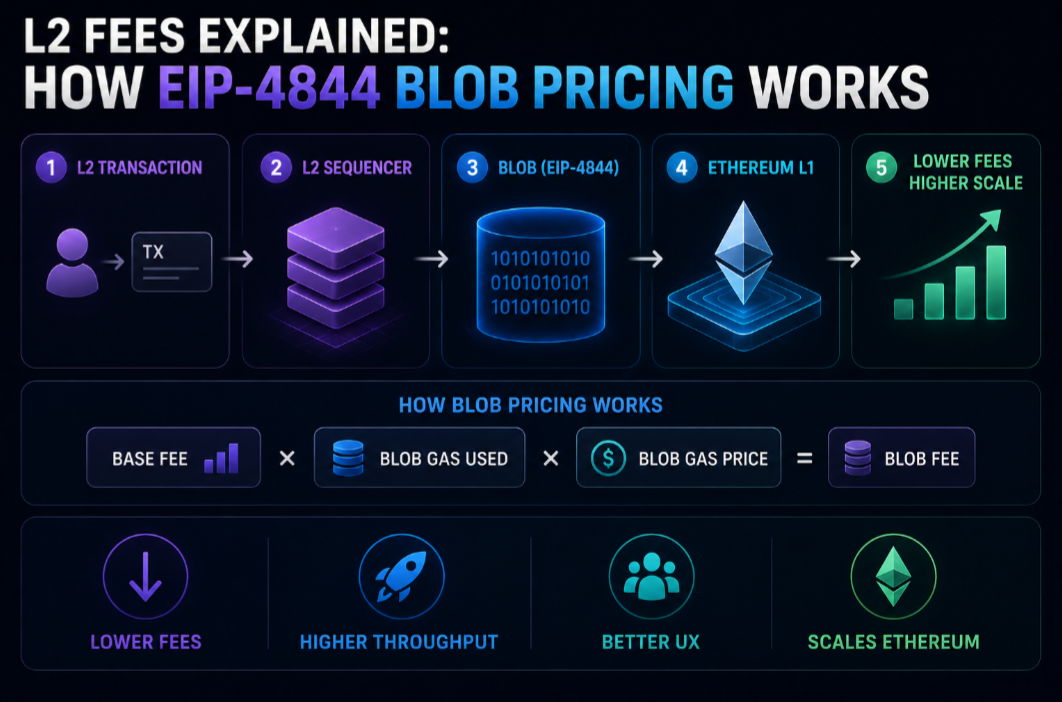
Post-EIP-4844, fees across all major L2s are well under $0.01 for a standard token swap. The fee breakdown has three components: L2 execution fee (set by the L2's fee market), L1 data fee (cost of blob space), and bridge/protocol fees.
- Arbitrum One swap: $0.001–0.008
- OP Mainnet swap: $0.001–0.005
- Base swap: $0.0005–0.003
- zkSync Era swap: $0.001–0.006
- Polygon zkEVM swap: $0.002–0.010
- Mantle swap: $0.001–0.005
For practical purposes, all major L2s are fee-equivalent for retail users. Fee differences become meaningful only at very high transaction frequency (bots, high-frequency traders) or during L1 congestion spikes.
MEV environment: where frontrunning is lowest
Maximal Extractable Value (MEV) — the profit that sequencers and searchers extract by reordering transactions — is a significant hidden cost on all chains. Arbitrum uses a first-come-first-served sequencer that reduces frontrunning versus Ethereum mainnet. Base has implemented MEV sharing through Flashbots' SUAVE integration. OP Mainnet's Bedrock upgrade introduced protected transaction ordering.
ZK rollups have a structural MEV advantage for the future: with ZK-based private mempools and threshold decryption, transactions can be encrypted until included in a block, making frontrunning impossible. This technology is being developed but not yet production-deployed on any major L2. For current users, MEV on L2s is lower than mainnet but not zero.
Ethereum price impact: how L2 adoption drives ETH value
Every L2 transaction ultimately settles on Ethereum, consuming blob space and paying L1 fees in ETH. As L2 adoption grows, demand for ETH as settlement collateral and gas token increases. The EIP-1559 burn mechanism ensures that high L2 activity translates directly into ETH supply reduction. Our Ethereum price forecast covers how L2 adoption feeds into long-term ETH demand models.
Choosing the right L2 for your DeFi strategy
- Maximum liquidity and protocol choice: Arbitrum — largest TVL, widest protocol support.
- Coinbase users and retail DeFi: Base — seamless Coinbase integration, fast-growing ecosystem.
- ETH staking + DeFi yield: Mantle — mETH native yield layer.
- ZK security model + account abstraction: zkSync Era — most technically advanced ZK stack.
- ZK + cross-chain vision: Polygon zkEVM + AggLayer — best long-term cross-chain architecture.
- OP Superchain ecosystem: Optimism — strongest Superchain interop story.
This article is for educational purposes only. Not financial advice. All L2s carry smart contract risk. TVL and ecosystem rankings change frequently.