Why bridging to L2 is the first step for every Ethereum user
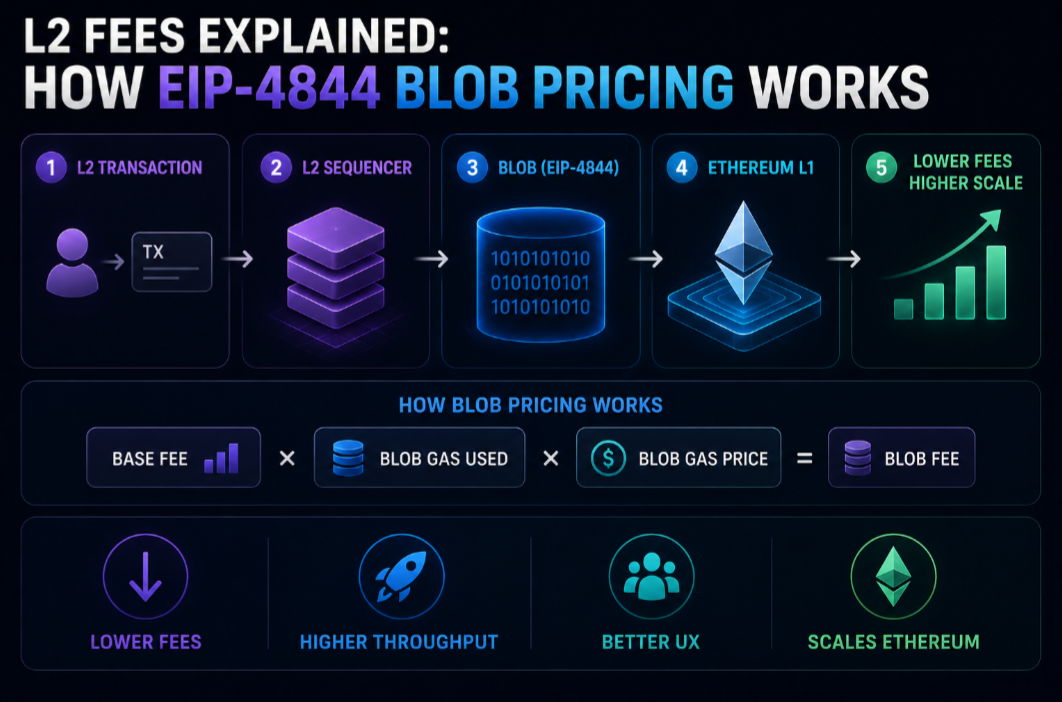
Ethereum mainnet is the most secure smart contract platform in the world, but its gas fees make small transactions economically impractical. A $5 DeFi interaction can cost $8 in gas. Layer 2 networks — Arbitrum, Optimism, Base, zkSync Era, and others — run on top of Ethereum and inherit its security while reducing fees to fractions of a cent. To use them, you need to bridge your ETH from mainnet.
Bridging is simple in concept: lock ETH on Ethereum, receive an equivalent amount of ETH on the L2. But in practice there are multiple bridge types, security trade-offs, speed differences, and scam risks that every user needs to understand before moving funds.
Understanding bridge types: native bridges vs third-party bridges
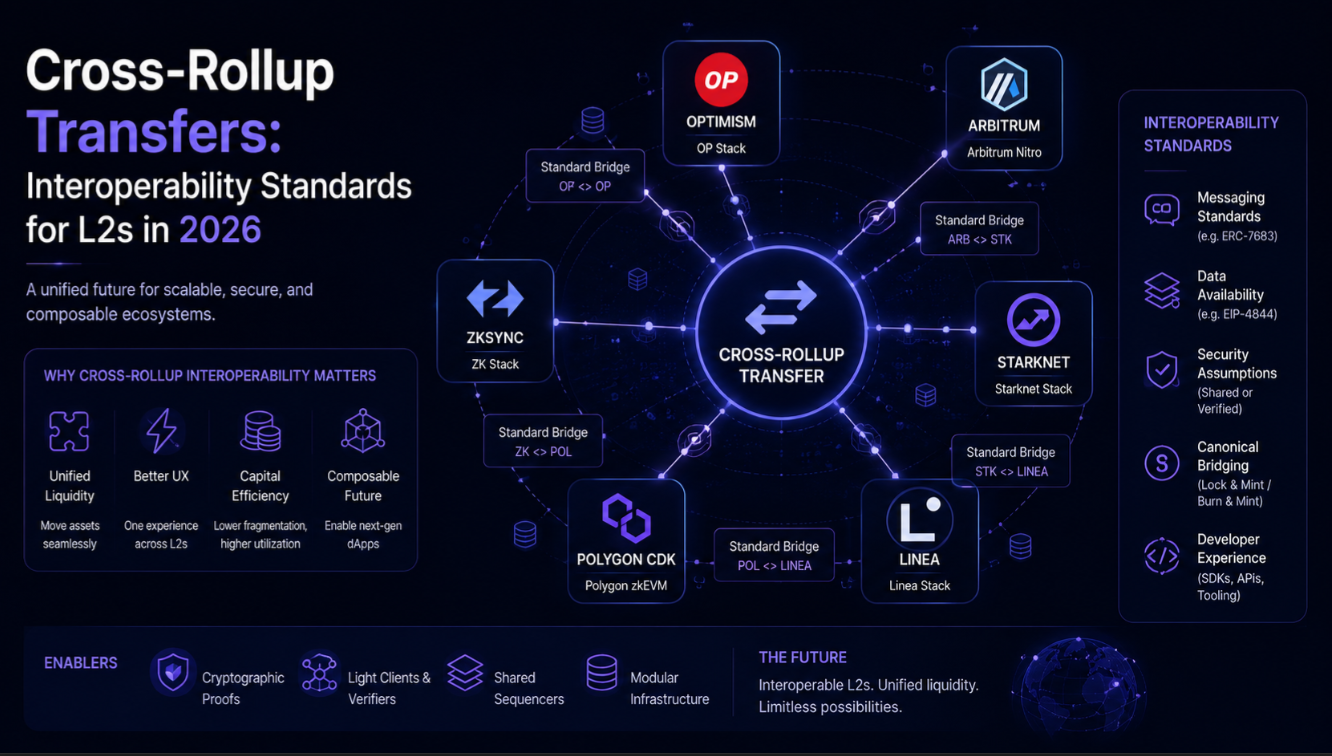
Every major L2 has an official native bridge operated by the rollup team. Native bridges are the most trust-minimised option — they relay funds through the rollup's core contracts on Ethereum, using the same security assumptions as the rollup itself. The trade-off is speed: withdrawing back to Ethereum mainnet takes 7 days on Optimistic rollups via the native bridge.
Third-party bridges (Across, Hop Protocol, Synapse, Stargate, LayerZero) use different mechanisms to offer faster exits, often in minutes. They typically work by maintaining liquidity pools on both sides — when you withdraw, a liquidity provider fronts the funds on L1 and waits to be reimbursed from L2. The fee (usually 0.04–0.15%) compensates the liquidity provider for the capital and time cost.
- Native bridge: Most secure, slowest withdrawal (7 days for Optimistic L2s), zero fee beyond gas.
- Liquidity bridge (Across, Hop): Fast withdrawals (minutes), small LP fee, relies on external liquidity.
- Canonical bridge (zkSync, Starknet): Native ZK bridge, fast finality (proof time ~hours), most secure for ZK chains.
- Cross-chain messaging (LayerZero, Wormhole): Flexible, supports many assets, trust assumptions vary by relay configuration.
Step-by-step: bridging ETH to Arbitrum using the native bridge
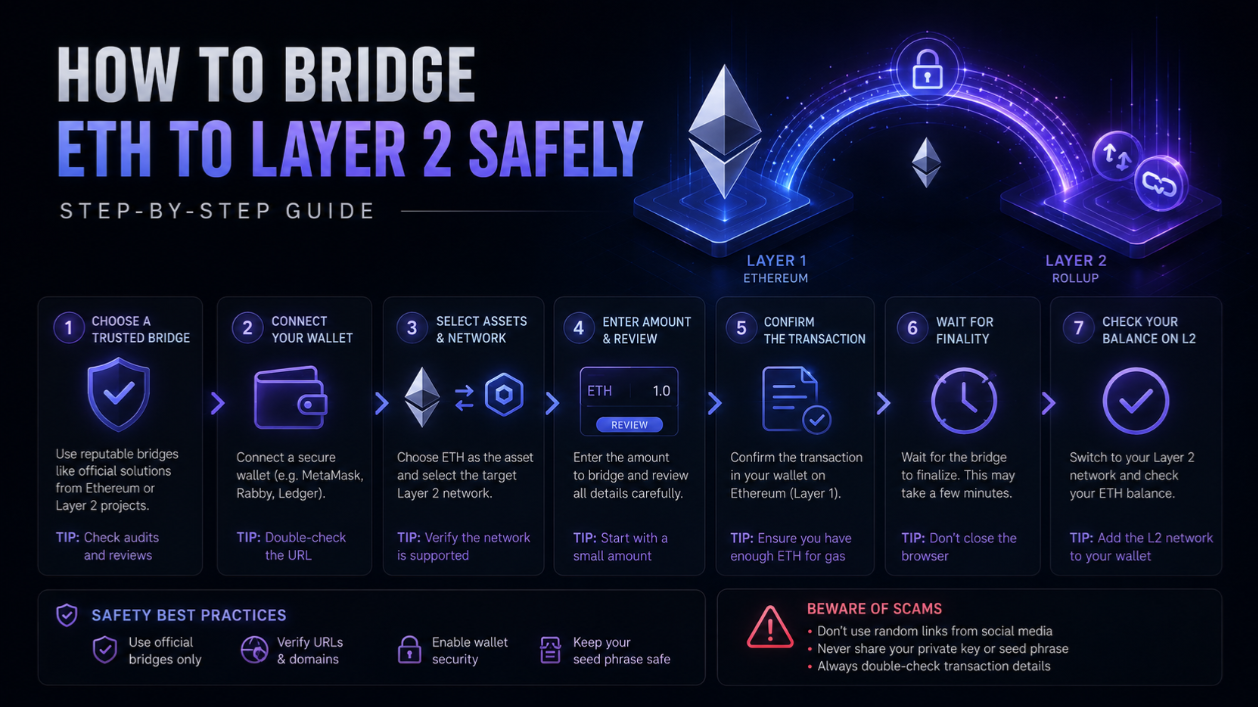
- Go to bridge.arbitrum.io — the official Arbitrum bridge. Bookmark this URL. Never use a bridge found via a search ad or unsolicited link.
- Connect your MetaMask or hardware wallet. Ensure you are on Ethereum mainnet.
- Enter the amount of ETH to bridge. Keep at least 0.005 ETH on mainnet for future gas costs.
- Click "Move funds to Arbitrum One" and confirm the transaction in your wallet.
- Wait for Ethereum confirmation (~12 seconds for finality). Your ETH appears on Arbitrum within 10–15 minutes.
- Add Arbitrum One network to MetaMask if not already added: RPC endpoint arbitrum-one.rpc.arbitrum.io, Chain ID 42161.
- Verify your balance on Arbiscan (arbiscan.io) using your wallet address.
For OP Mainnet, the official bridge is app.optimism.io. For zkSync Era, use bridge.zksync.io. For Base, use bridge.base.org. Always navigate directly — do not click bridge links from social media or Discord.
Using Across for fast, cheap cross-chain transfers
Across Protocol is widely regarded as the most capital-efficient third-party bridge for Ethereum L2s. It uses an optimistic verification model with a single 2-hour liveness window rather than multiple independent relayer networks, resulting in lower fees. Typical cross-L2 swap costs are $0.50–2.00 for transfers of $1,000+, scaling sublinearly with amount.
To use Across: visit app.across.to, select source chain (e.g., Ethereum mainnet), destination chain (e.g., Arbitrum), and the token. ETH, USDC, USDT, WBTC, and other major assets are supported. Funds typically arrive within 1–4 minutes. Across uses canonical bridges under the hood for settlement, so its security model is closely tied to rollup security.
Bridge security: the single biggest risk in crypto
Cross-chain bridges are among the most exploited targets in crypto. Bridge hacks have accounted for the majority of the largest DeFi losses: Ronin ($625m), Wormhole ($320m), Nomad ($190m), Harmony Horizon ($100m). The common thread is that bridges hold large amounts of locked assets in smart contracts — a single vulnerability can drain everything.
Risk mitigation principles for bridge users:
- Use native bridges for large amounts: The Arbitrum canonical bridge and OP bridge have never been exploited and are backed by the rollup's full security model.
- For third-party bridges, use established protocols: Across, Hop, and Stargate have multi-year track records, independent audits, and significant TVL. Avoid newly launched bridges with unaudited code.
- Do not bridge in one large transaction if avoidable: Split large amounts across multiple transactions to limit single-transaction exposure.
- Verify contract addresses independently: Always verify bridge contract addresses against the project's official GitHub or docs, not just what the UI displays.
- Check audit status: A reputable bridge will have multiple audits from firms like Trail of Bits, Spearbit, or OpenZeppelin, plus an active bug bounty programme.
Phishing and fake bridge scams — how to stay safe
The most common bridge scam is a phishing site that mimics a legitimate bridge's UI. Users sign a transaction approving the scam contract to drain their wallet. These sites are promoted via Google Ads, fake Discord servers, and Twitter/X accounts impersonating official accounts. A well-designed phishing site is indistinguishable from the real one by appearance alone.
Protection checklist:
- Bookmark official bridge URLs directly from the L2's main website (arbitrum.io, optimism.io, zksync.io, base.org).
- Never click bridge links from search ads — type the URL or use your bookmark.
- Before signing any transaction, read exactly what your wallet is asking you to approve. "Approve unlimited spending" from an unexpected contract is a red flag.
- Use Revoke.cash or Etherscan's token approvals page regularly to revoke stale approvals.
- Enable hardware wallet confirmation for all bridge transactions.
Gas costs on each step of the bridging process
Bridging involves at least two transactions: the L1 deposit transaction and (on withdrawal) an L1 finalisation transaction. L1 gas costs are paid in ETH regardless of what token you are bridging. Approximate costs at 15 gwei base fee:
- Deposit to Arbitrum/Optimism via native bridge: $0.50–2.00 on L1.
- Deposit to zkSync Era via canonical bridge: $1.00–3.00 on L1 (proof verification overhead).
- Withdrawal from L2 via native bridge: $0.50–1.50 for initiation + $0.50–1.50 for finalisation (7 days later on Optimistic L2s).
- Third-party bridge (Across) deposit: $0.30–1.00 on L1 + bridge fee.
- L2-to-L2 bridge (Arbitrum to Base via Across): total $0.01–0.10 in L2 gas + LP fee.
For amounts under $100, bridging cost can represent 2–5% of value. For amounts above $1,000, it is negligible. On Optimism and Arbitrum, all L2-side transactions cost under $0.01.
Which L2 should you bridge to first?
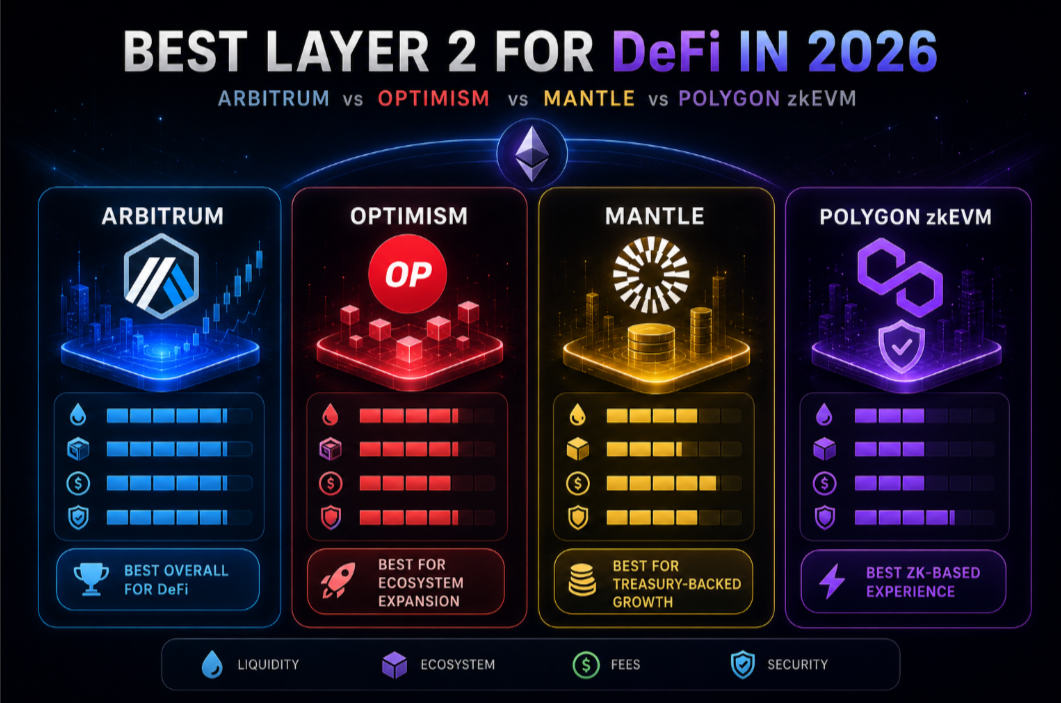
For most DeFi users in 2026, Arbitrum is the recommended starting point: largest ecosystem, deepest liquidity on Uniswap/Camelot/GMX, widest protocol support, and full EVM compatibility. For users focused on the Coinbase ecosystem and US-regulated DeFi, Base is the natural choice. For users prioritising ZK security and fast finality, zkSync Era or Scroll are solid options.
See our guide on the best L2 for DeFi in 2026 for a full protocol-by-protocol breakdown. Our Ethereum price forecast contextualises how L2 adoption is driving Ethereum network value.
Bridging stablecoins vs ETH: what is different
Most bridges support USDC, USDT, and DAI in addition to ETH. However, stablecoin bridging has additional nuances. Circle's Cross-Chain Transfer Protocol (CCTP) is the most trust-minimised USDC bridge — it burns native USDC on the source chain and mints native USDC on the destination, eliminating wrapped token risk. Across and most modern bridges use CCTP for USDC internally.
Older bridges issue wrapped tokens (e.g., USDC.e on Arbitrum — bridged USDC, not native USDC). These wrapped tokens may have less liquidity, slightly worse exchange rates, and were historically exposed to bridge exploit risk. For USDC, always use Circle's CCTP or a bridge that settles in native USDC.
Bridging NFTs and ERC-20 tokens
ERC-20 tokens other than ETH and USDC often have less bridge support. Check that the specific token is supported before initiating. NFT bridging is more complex — LayerZero's ONFT standard and similar cross-chain NFT protocols allow bridging, but liquidity and marketplace support on the destination chain matter. Many NFT collections exist natively on a single chain — bridging copies are often worth less.
What to do after bridging: setting up your L2 environment
- Confirm your ETH balance on Arbiscan/Optimistic Etherscan/zkSync explorer.
- Add the L2 network to MetaMask if not already added.
- Swap a portion to USDC on Uniswap for stablecoin liquidity.
- Connect to your target protocol (Aave, GMX, Camelot, etc.) using the same wallet address.
- Enable transaction history notifications on your wallet or use a portfolio tracker like DeBank.
This article is for educational purposes only. Not financial advice. Bridge contracts carry smart contract risk. Only bridge amounts you can afford to lose.