Why multi-chain wallet management has become essential
The crypto ecosystem in 2026 spans dozens of production-ready blockchains. Ethereum, Arbitrum, Optimism, Base, Polygon, zkSync Era, Solana, BNB Chain, Avalanche, Sui, Aptos, and Bitcoin are all active ecosystems with distinct user bases, DeFi protocols, and token economies. Assets are spread across chains, and managing them from separate single-chain wallets is both inefficient and error-prone.
Multi-chain wallets solve this by aggregating balances, signing capabilities, and transaction history across dozens of networks in a single interface. The best of them also provide cross-chain swap routing, portfolio analytics, and DeFi position tracking — eliminating the need for multiple browser extensions and hardware devices.
MetaMask — the original multi-chain wallet
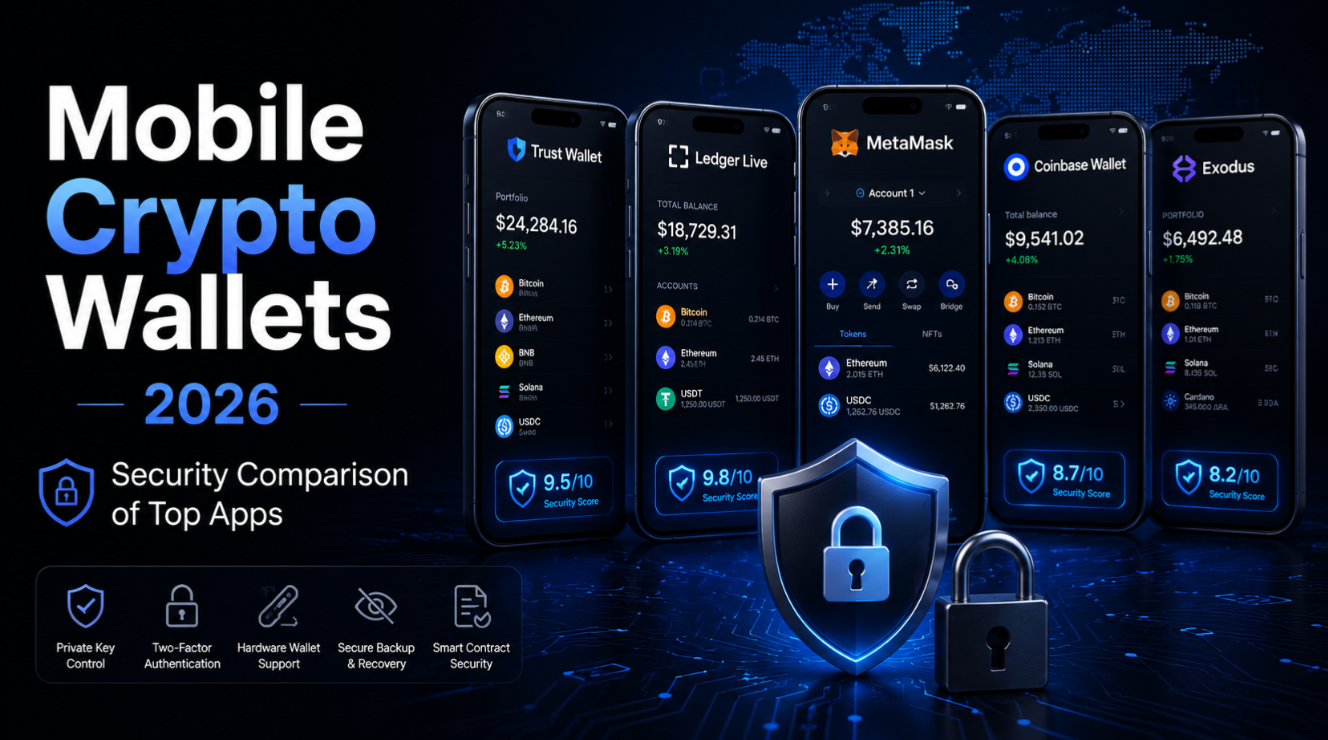
MetaMask is the most widely installed browser extension wallet in the world with over 30 million monthly active users. It supports all EVM-compatible chains through custom RPC configuration and, since 2023, auto-detects popular networks. MetaMask Portfolio integrates balance tracking across Ethereum, Arbitrum, Optimism, Polygon, Linea, and Base natively.
MetaMask's limitations become apparent for serious multi-chain users: no native Solana or Bitcoin support, no built-in transaction simulation, limited approval management, and a UI not designed for monitoring positions across 15+ networks simultaneously. It remains the default for EVM interactions but is often supplemented by specialised tools.
Rabby — the power-user EVM wallet
Rabby is a MetaMask-compatible browser extension that adds features designed specifically for experienced DeFi users. Pre-transaction simulation shows exactly what will happen to your balances before you confirm a transaction. Approval scanning surfaces all outstanding token permissions. Multi-chain support covers 100+ EVM networks with automatic chain detection.
Rabby's security-first design makes it the preferred choice for users who interact with new protocols regularly. The transaction simulation catches common phishing patterns — like a transaction claiming to be a token approval but actually transferring all your assets. Our Rabby review covers all security features in detail.
Phantom — multi-chain leader for Solana and EVM
Phantom started as the dominant Solana wallet and has since expanded to support Ethereum, Polygon, and Bitcoin. It combines an excellent mobile app, a browser extension, and integrated Solana DeFi tooling in a single product. Phantom's Solana support is native — not bridged or emulated — meaning it handles Solana's unique account model, compressed NFTs, and SPL tokens correctly.
For users active on both Solana and Ethereum ecosystems, Phantom is the most polished unified wallet. Hardware wallet connection (Ledger) is supported on Ethereum but not yet on Solana. See our Phantom review for setup, security settings, and Solana DeFi integration.
Trust Wallet — mobile-first with the broadest chain coverage
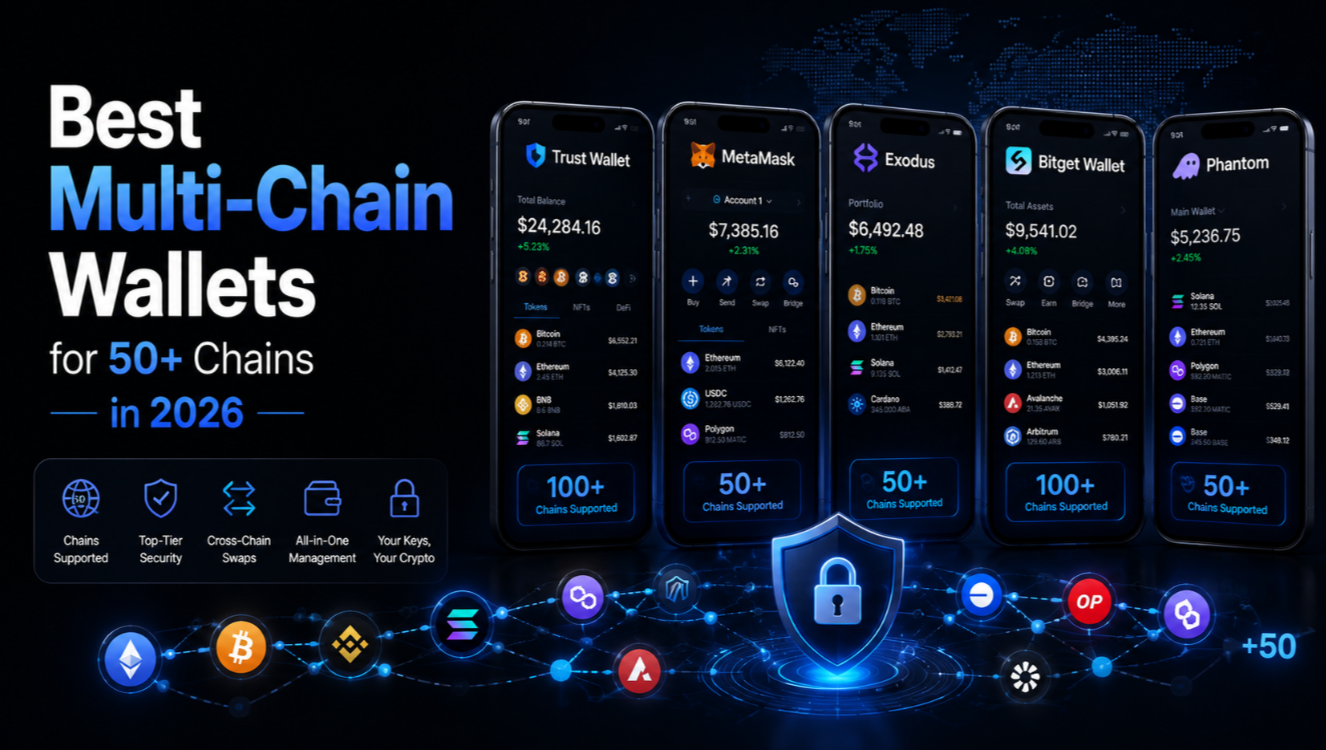
Trust Wallet (owned by Binance but open-source) supports 100+ blockchains including many that other wallets ignore — Cosmos, TON, Tron, Filecoin, and various layer-1 ecosystems. Its mobile-first design makes it the default choice for users in markets where mobile devices dominate crypto interaction.
Trust Wallet includes a built-in DApp browser, NFT gallery, and staking for native PoS tokens. Security limitations include no transaction simulation and historically weaker phishing protection compared to Rabby. Our Trust Wallet review covers its security model and best use cases.
Zerion — portfolio tracker meets self-custody wallet
Zerion is a portfolio management interface with a built-in self-custody wallet (EVM-compatible, 10+ chains). Its primary strength is analytics: unified portfolio view across all connected wallets, DeFi position tracking (supply, borrow, LP positions), P&L history, and transaction categorisation for tax purposes. Zerion connects to external wallets (MetaMask, hardware) for read-only portfolio view or uses its own custody wallet for direct interaction.
- Chains: Ethereum, Arbitrum, Optimism, Base, Polygon, zkSync, Avalanche, BNB Chain, and 10+ others.
- Best for: DeFi-heavy users who need portfolio analytics across many protocols.
- Key feature: Real-time DeFi position tracking (Aave, Uniswap, Curve) across all chains.
- Limitation: No Solana or Bitcoin support.
Coin98 and OKX Web3 — alternatives for Asian markets
Coin98 Wallet supports 70+ chains including several Southeast Asian-focused networks and has strong penetration in Vietnam, Indonesia, and Thailand. OKX Web3 Wallet offers 80+ chain support with integrated DEX aggregation and is tightly integrated with the OKX exchange ecosystem for easy fiat on/off-ramp. Both are solid choices for users in markets where Coinbase and Kraken have limited presence.
Comparing multi-chain wallets by key criteria
- EVM chain coverage: Rabby (100+), MetaMask (100+ via custom RPC), Trust Wallet (100+), OKX Web3 (80+).
- Solana support: Phantom (native), Trust Wallet (basic), OKX Web3 (basic).
- Bitcoin support: Phantom, Trust Wallet, Ledger Live (hardware).
- Transaction simulation: Rabby (best), MetaMask Snaps (via plugin), Zerion (partial).
- DeFi position tracking: Zerion (best), Rabby (good), DeBank (read-only).
- Mobile app quality: Trust Wallet, Phantom, and OKX Web3 all have excellent mobile apps.
Hardware wallet integration for multi-chain security
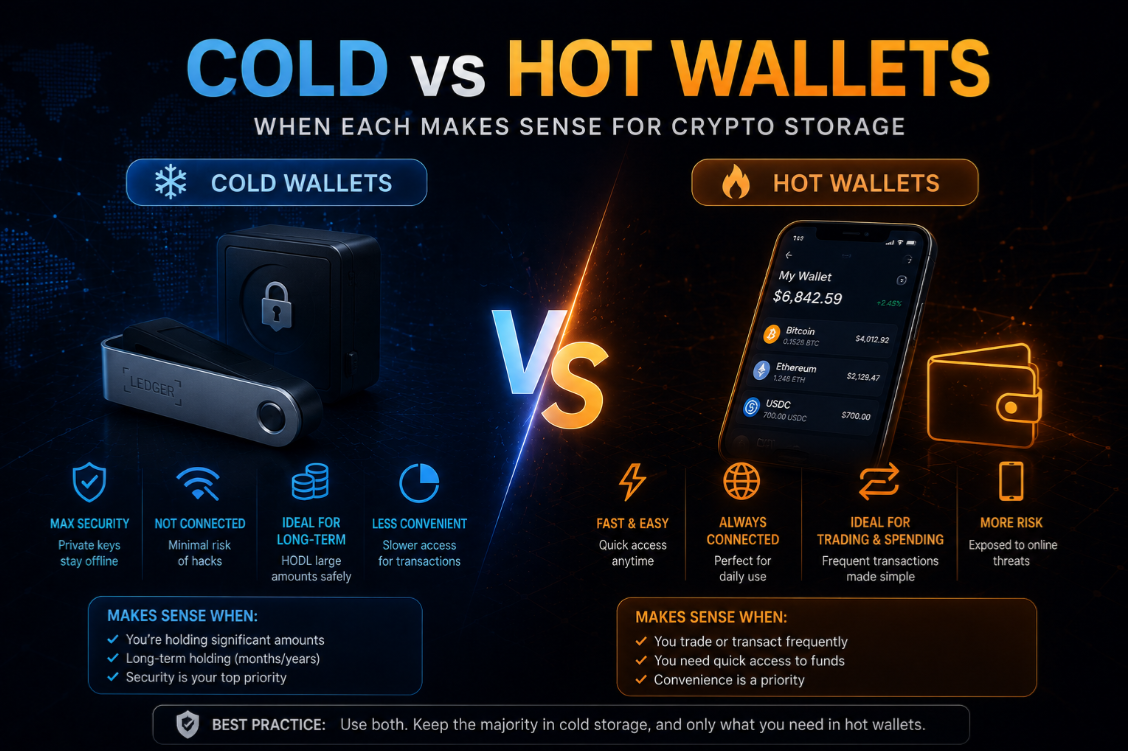
No software wallet, however feature-rich, should hold large balances without hardware wallet backing. For multi-chain portfolios, Ledger supports the widest range of chains (35+ with Ledger Live, many more via MetaMask and Rabby connection). Trezor supports major EVM chains and Bitcoin but has more limited alt-chain coverage.
The recommended setup for a multi-chain power user: Ledger for key storage, Rabby (EVM) and Phantom (Solana) connected to Ledger for transaction signing, Zerion for portfolio overview. This combines hardware security with the best software interfaces for each ecosystem. See our wallet ratings for a full comparison.
Choosing the right multi-chain wallet for your use case
- EVM DeFi power user: Rabby browser extension + Ledger hardware.
- Solana + Ethereum user: Phantom + Ledger (Ethereum only via Phantom).
- Mobile-first, 50+ chains: Trust Wallet — broadest chain support in mobile.
- Portfolio analytics priority: Zerion — best DeFi position and P&L tracking.
- Beginner needing simplicity: MetaMask — widest dApp compatibility, most tutorials.
What to check before trusting any new wallet
- Open-source code: verify the wallet is open-source and has been audited.
- Team and track record: established teams with multi-year histories and no major incidents.
- Seed phrase handling: confirm seed phrases are never sent to servers.
- Permission model: check what browser permissions the extension requests.
- Transaction simulation: prioritise wallets that simulate before signing.
Always verify wallet software from official sources only. Wallet phishing apps are common on app stores and search engine ads. Not financial advice.