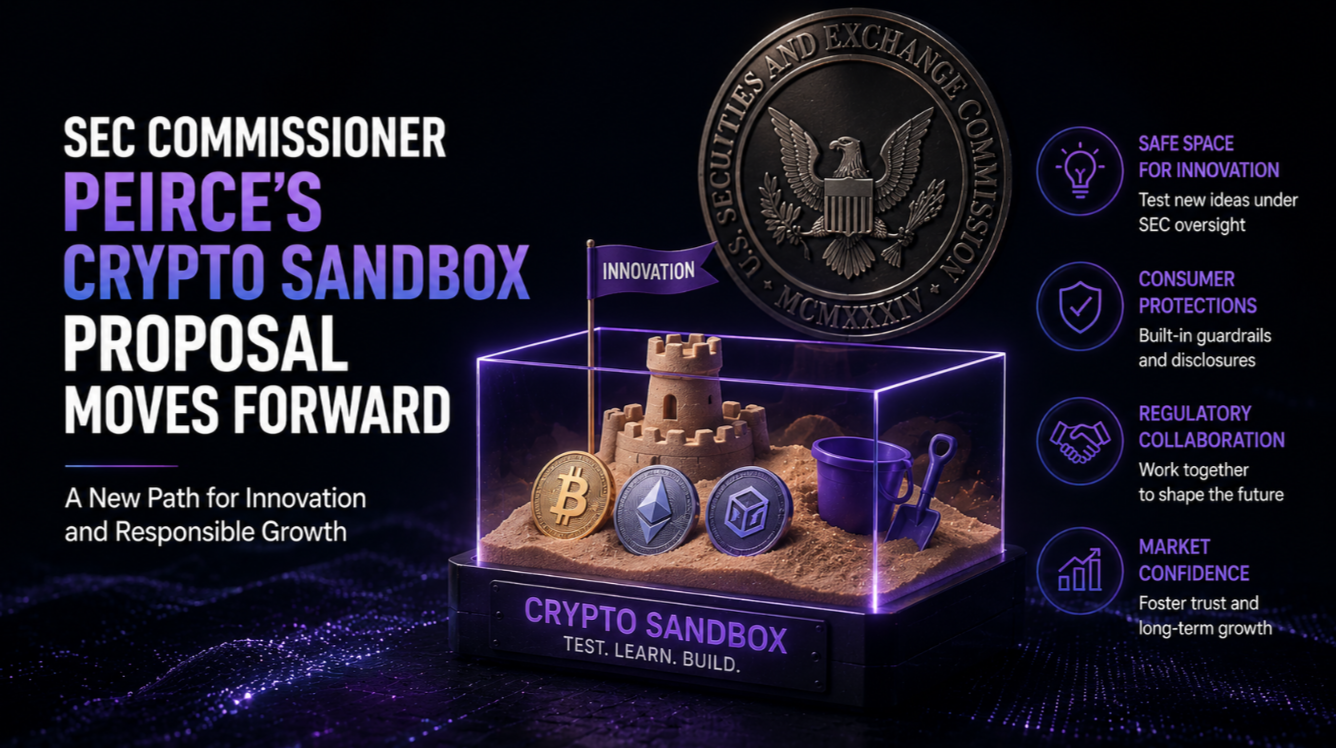
SEC Commissioner Hester Peirce's long-advocated crypto regulatory sandbox has cleared an internal SEC vote, creating a five-year safe harbour for token projects that register with the agency and meet minimum disclosure standards.
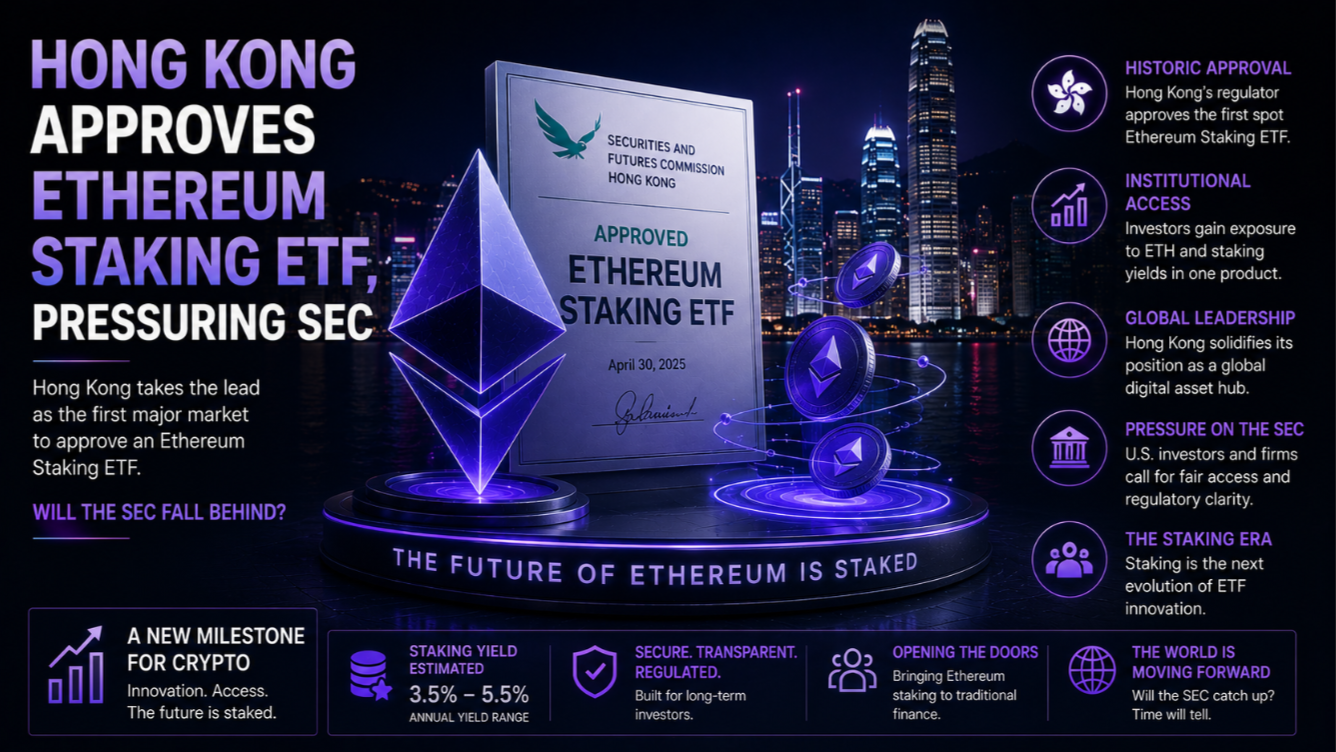
Hong Kong SFC approves first ethereum staking ETF with 3-4% APR yields, unlocking institutional capital and raising pressure on the US SEC to follow suit. Validators hold ethereum in trust; staking rewards distributed quarterly.
Hong Kong launches the world's first formal stablecoin issuer licensing regime under the HKMA, requiring reserve audits, redemption guarantees, and capital buffers — positioning the city as Asia's regulated crypto-asset hub.
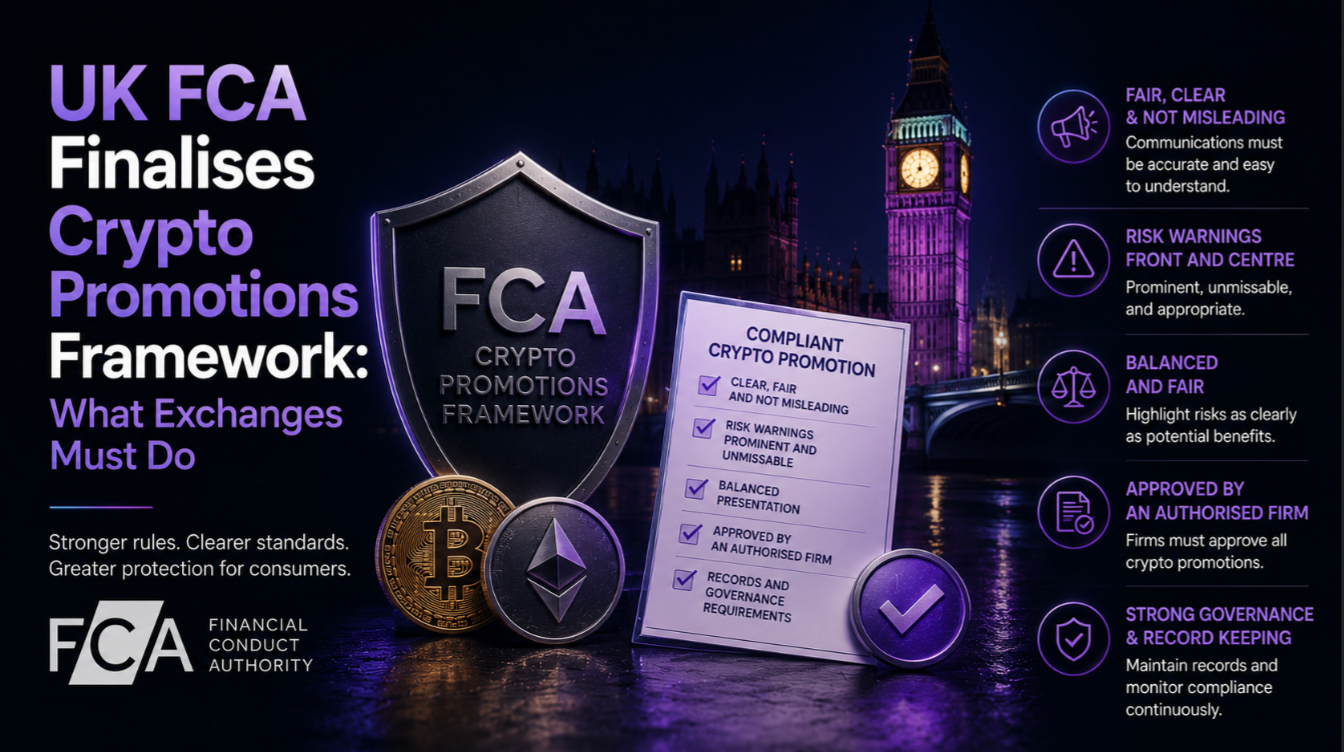
The UK Financial Conduct Authority has published its final rules on crypto-asset promotions, requiring all firms marketing to UK consumers to obtain FCA approval, implement risk warnings, and introduce a 24-hour cooling-off period for first-time investors.
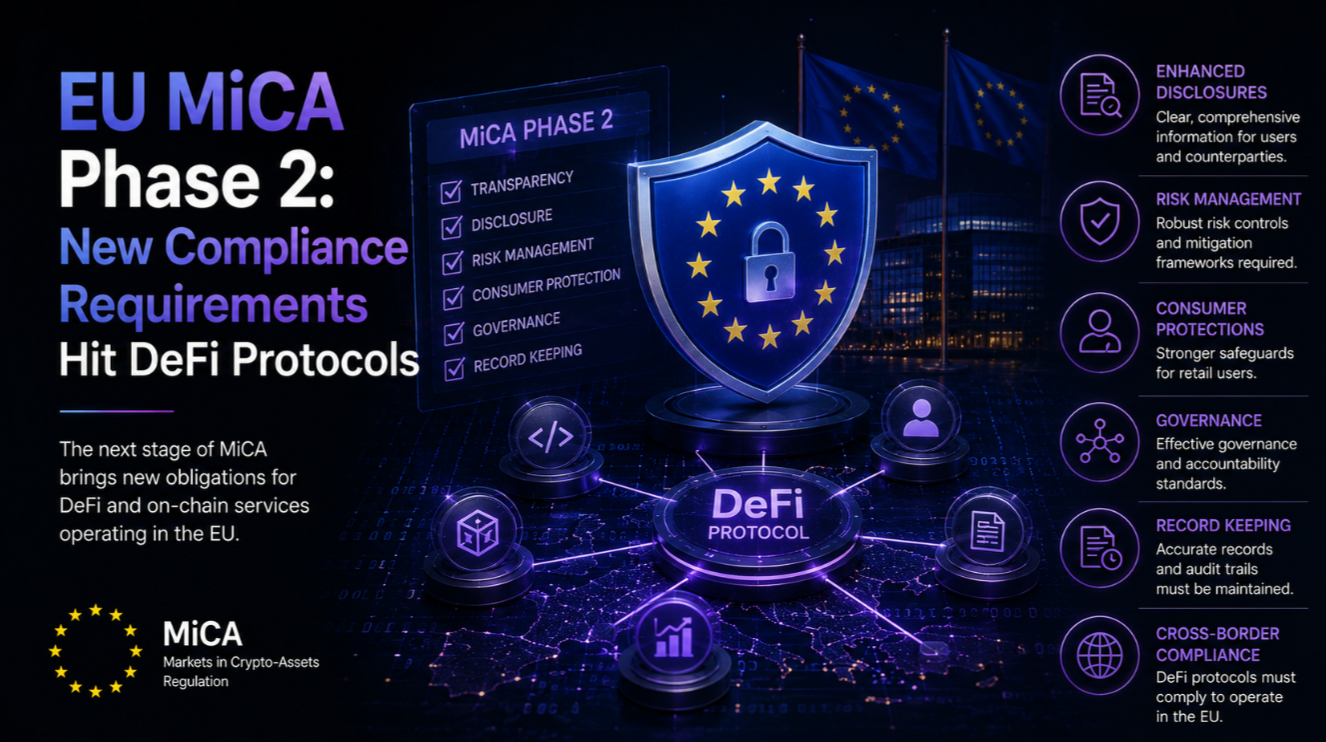
MiCA Phase 2 extends the EU regulatory framework to decentralised finance, imposing disclosure and governance requirements on DeFi protocols with EU-accessible interfaces and demanding stablecoin operators hold segregated reserves.
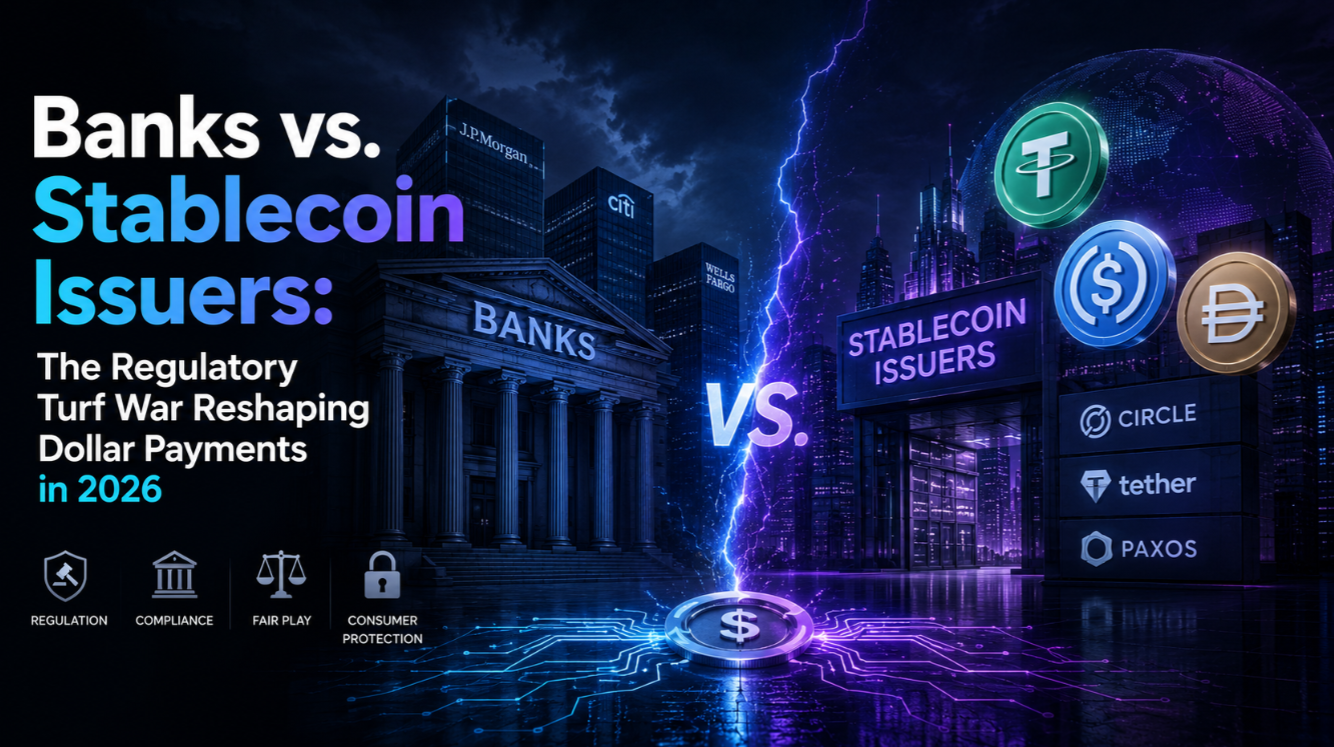
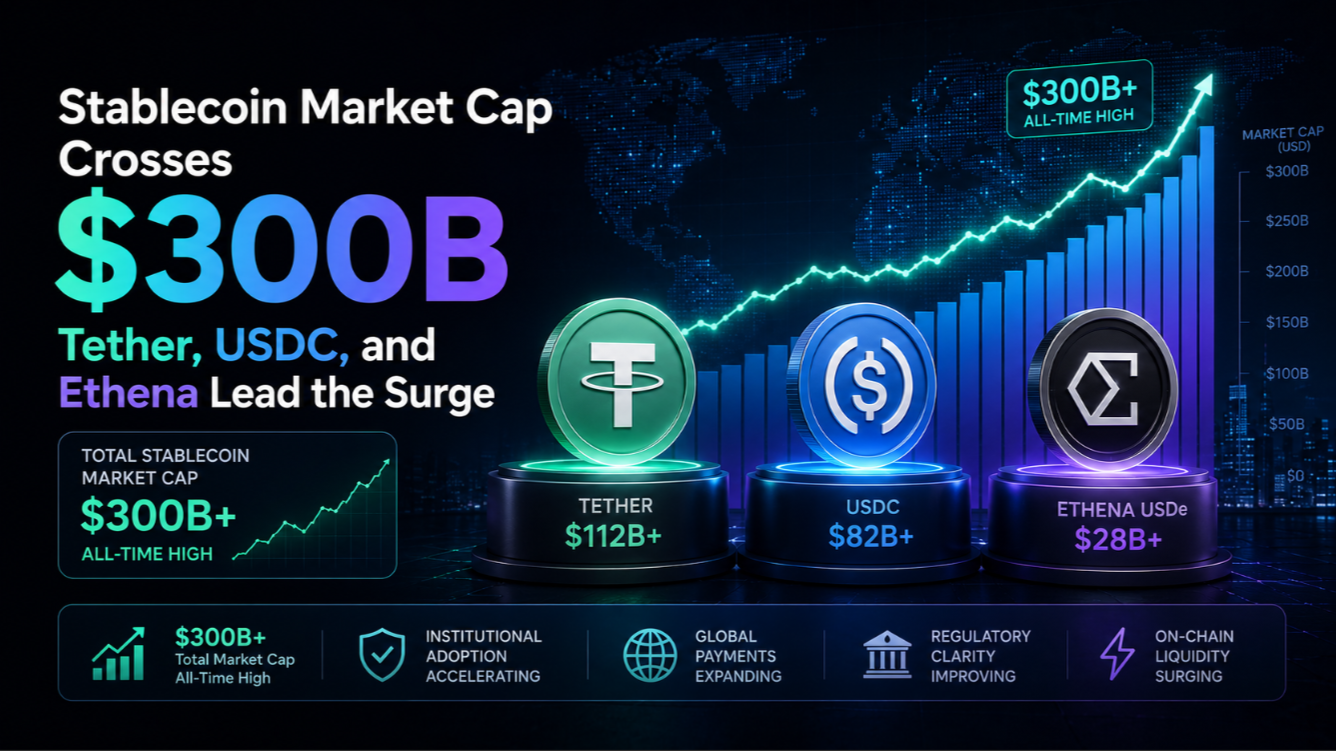
The GENIUS Act opened the door for non-bank stablecoin issuers — and the banking industry is fighting back on three fronts simultaneously. Who controls the rails for a $300B stablecoin market will shape global payments for decades.
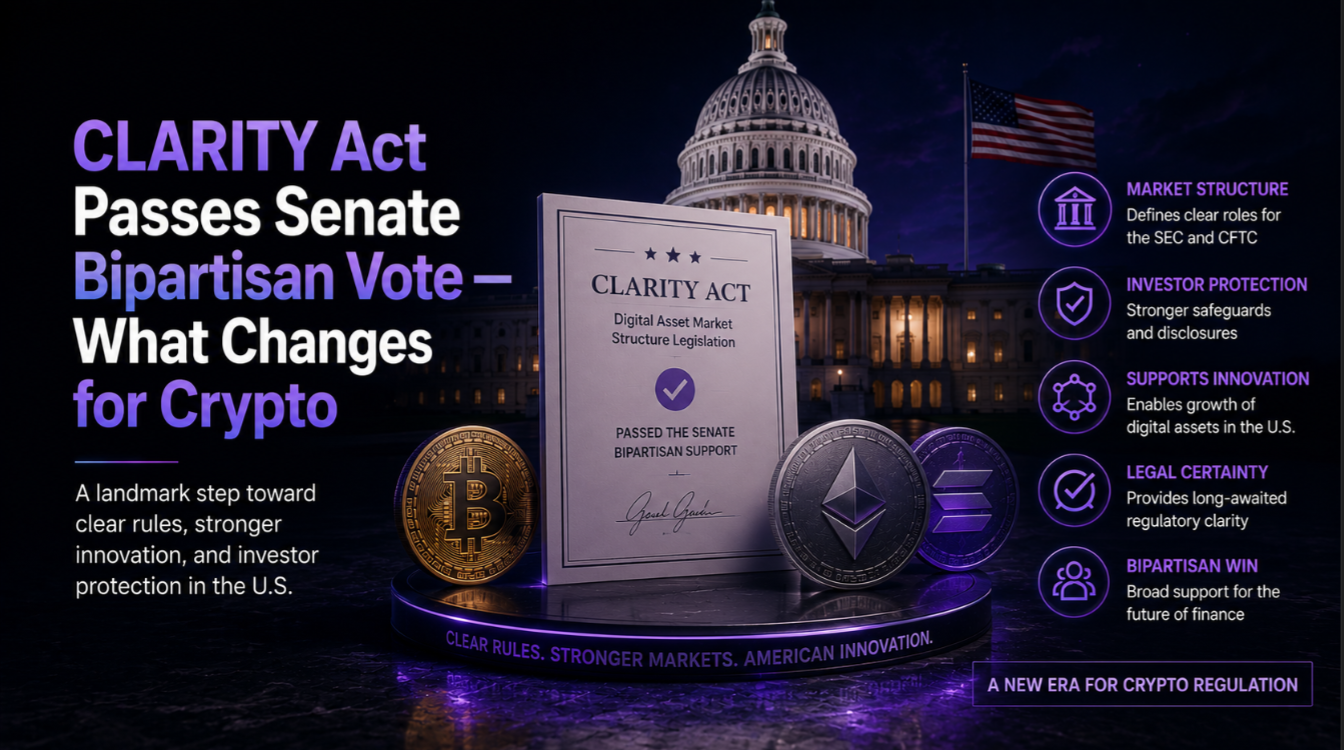
The CLARITY Act clears a historic bipartisan Senate hurdle, establishing the first comprehensive US federal framework for digital assets and redefining the SEC–CFTC boundary for cryptocurrencies.
Kraken has filed an S-1 registration statement with the SEC, setting the stage for one of the most anticipated crypto exchange IPOs since Coinbase's 2021 direct listing. We break down the financials, risks, and timeline.
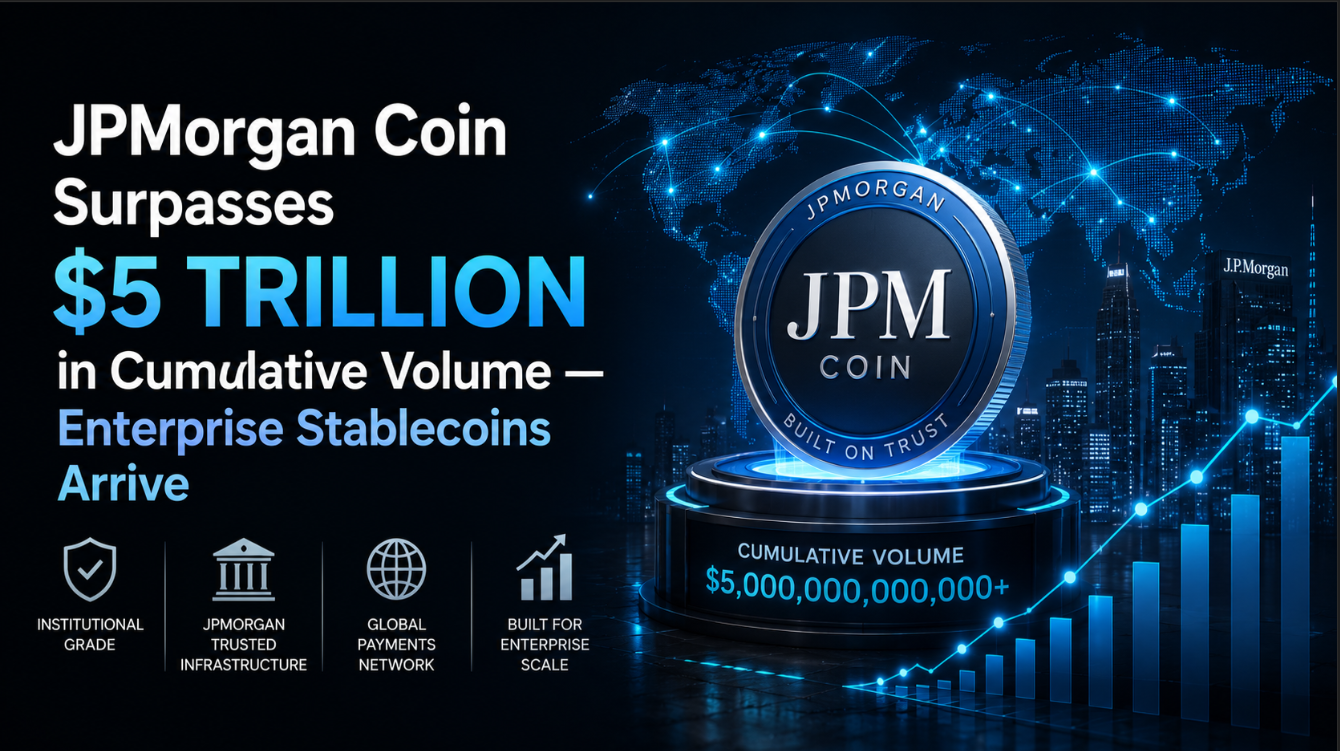
JPMorgan's permissioned digital dollar JPM Coin has processed $5 trillion in cumulative settlement volume since 2019. The milestone confirms that enterprise blockchain payment rails are production-grade — and handling more institutional flows than most public-chain metrics reveal.
Russia signed comprehensive crypto mining legislation into law, formally legalising an industry estimated at $5 billion in annual turnover. The rules cover taxation, energy allocation, and export of mined coins.
The combined market cap of all stablecoins has hit $300 billion for the first time. Tether holds 48 % of supply, USDC advances on institutional demand, and Ethena's USDe has overtaken DAI as the third-largest dollar-pegged token.
Coinbase International Exchange has extended regulated derivatives trading to 80 countries, making it the broadest-reach compliant crypto derivatives venue in the world and intensifying competition with Binance and Bybit.
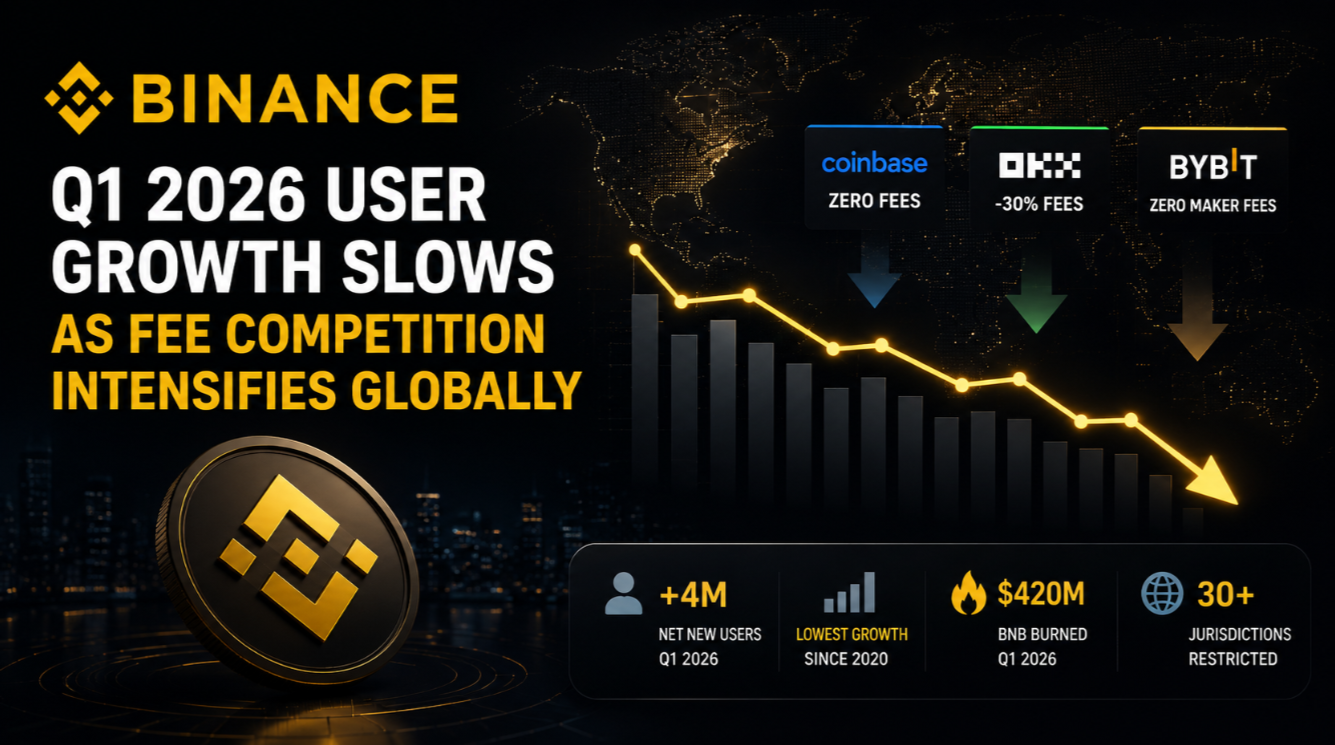
Binance reported slower user growth in Q1 2026 as rivals cut fees and expanded regulated offerings. The world's largest exchange faces its most competitive environment since its founding, squeezing margins across spot and derivatives.
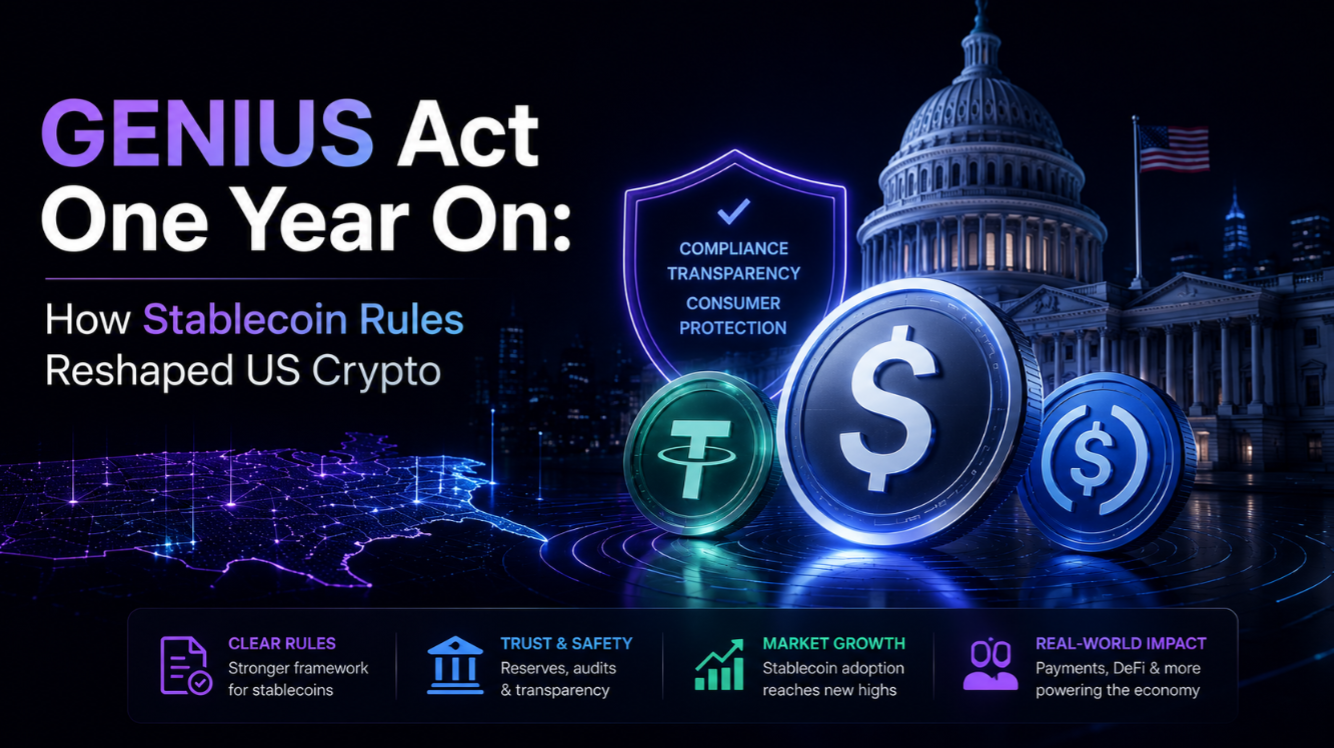
One year after the GENIUS Act, US stablecoin regulation transformed the ecosystem. Tether and Circle adapted, new bank-issued stablecoins like USAT launched, and yield-bearing tokens emerged. How compliance reshaped the market.
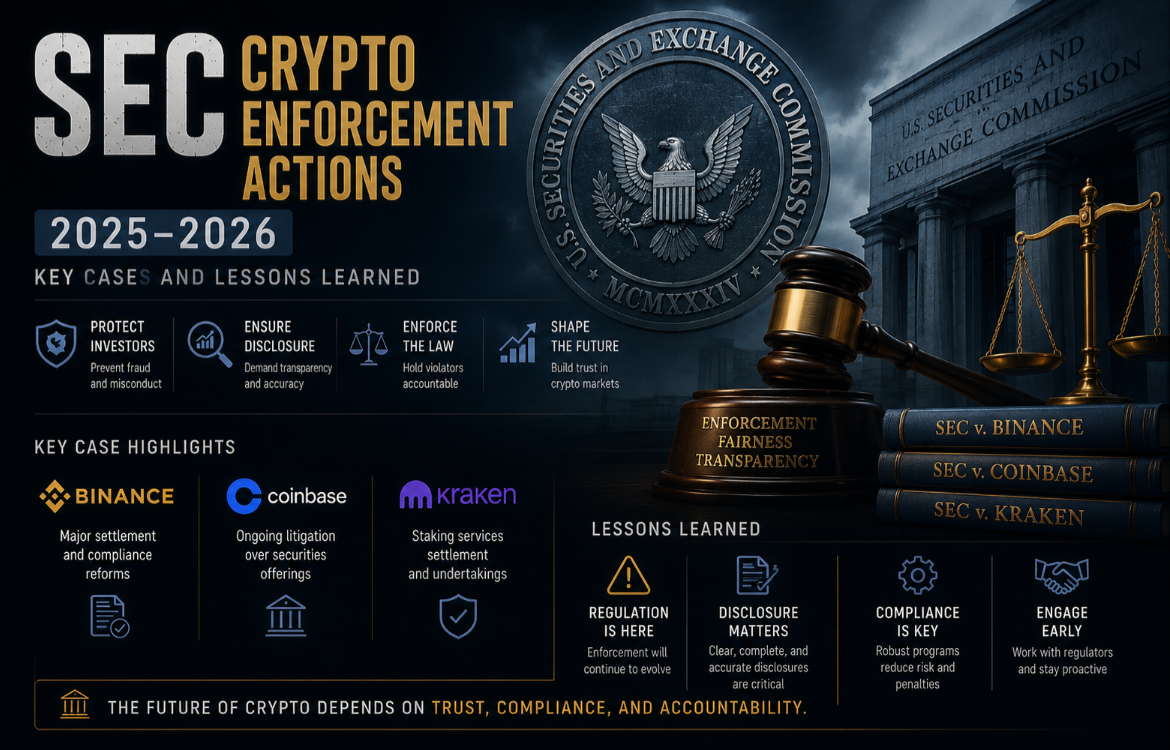
A deep-dive into the SEC's most significant crypto enforcement actions — Ripple, Coinbase, Binance, Genesis/Gemini, and Terraform — including the legal precedents set, what was dropped in 2025, and the lasting lessons for investors and projects.
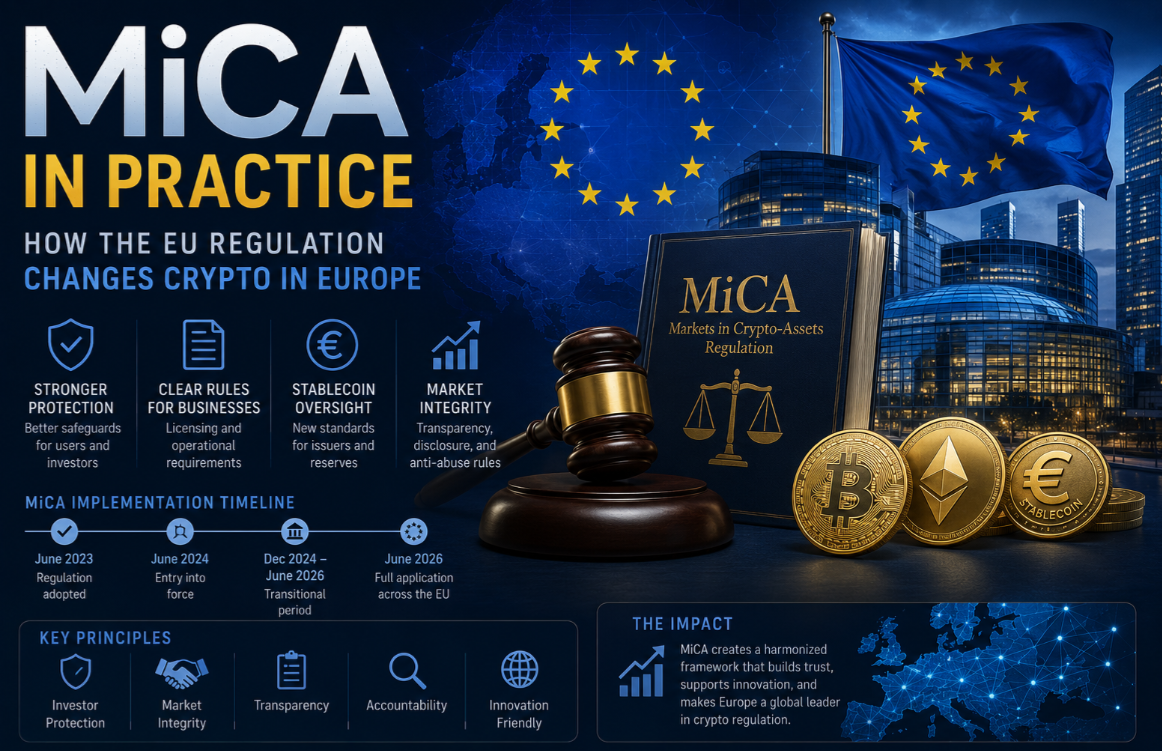
The EU's Markets in Crypto-Assets Regulation (MiCA) entered full application in December 2024. This guide explains how it affects exchanges, stablecoin issuers, token projects, and everyday EU crypto users — including USDT, USDC, CASP licensing, and consumer protections.
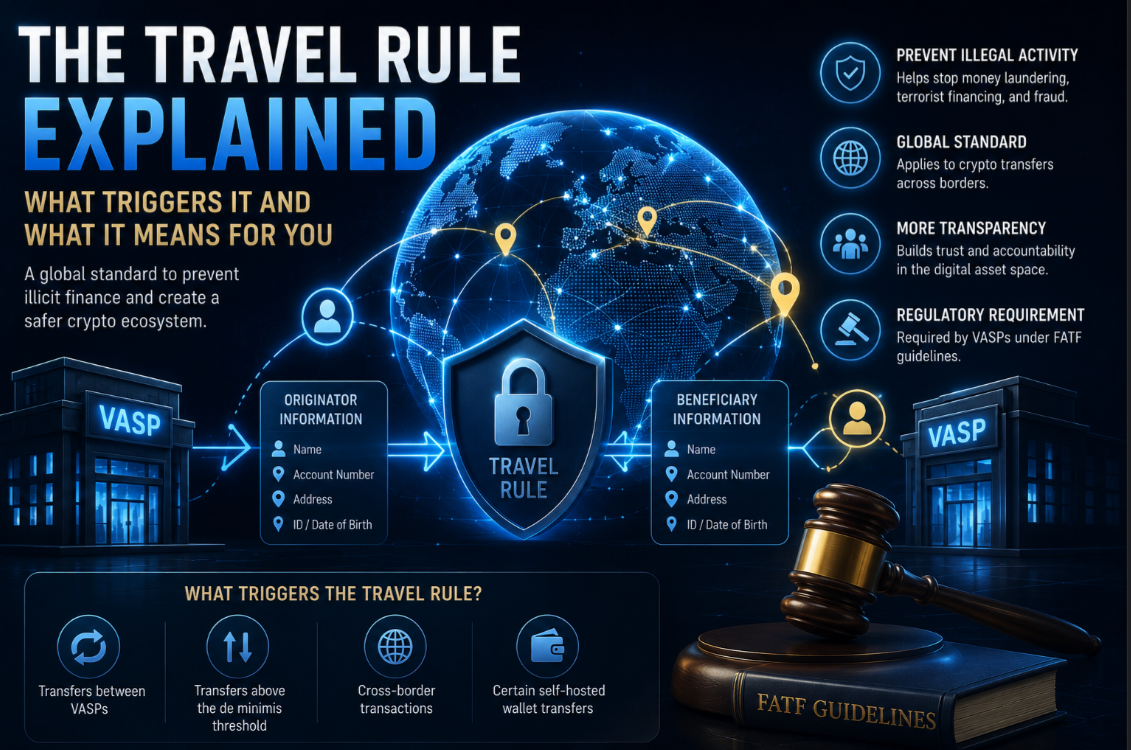
The Travel Rule requires crypto exchanges to share identifying information when transferring assets between platforms. This guide explains the thresholds, protocols, unhosted wallet rules, and what it means for everyday users in 2026.
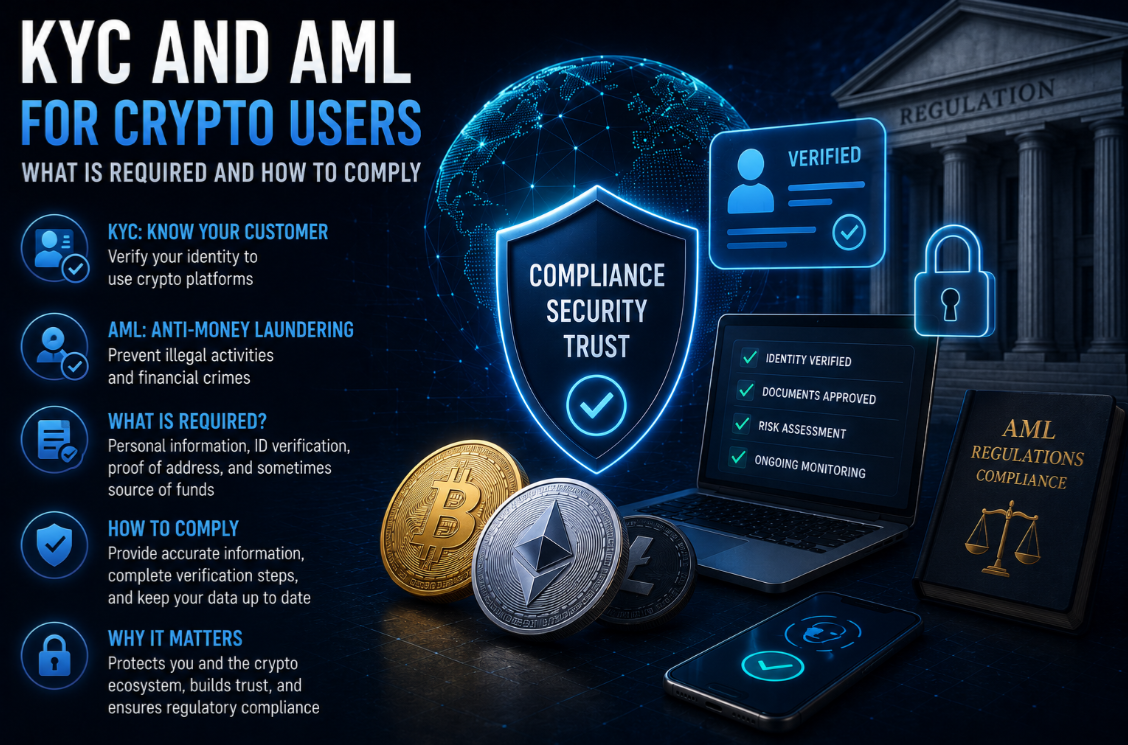
Everything crypto users need to know about KYC and AML requirements — what documents exchanges require, how blockchain analytics works, what triggers enhanced due diligence, and how to stay compliant in 2026.
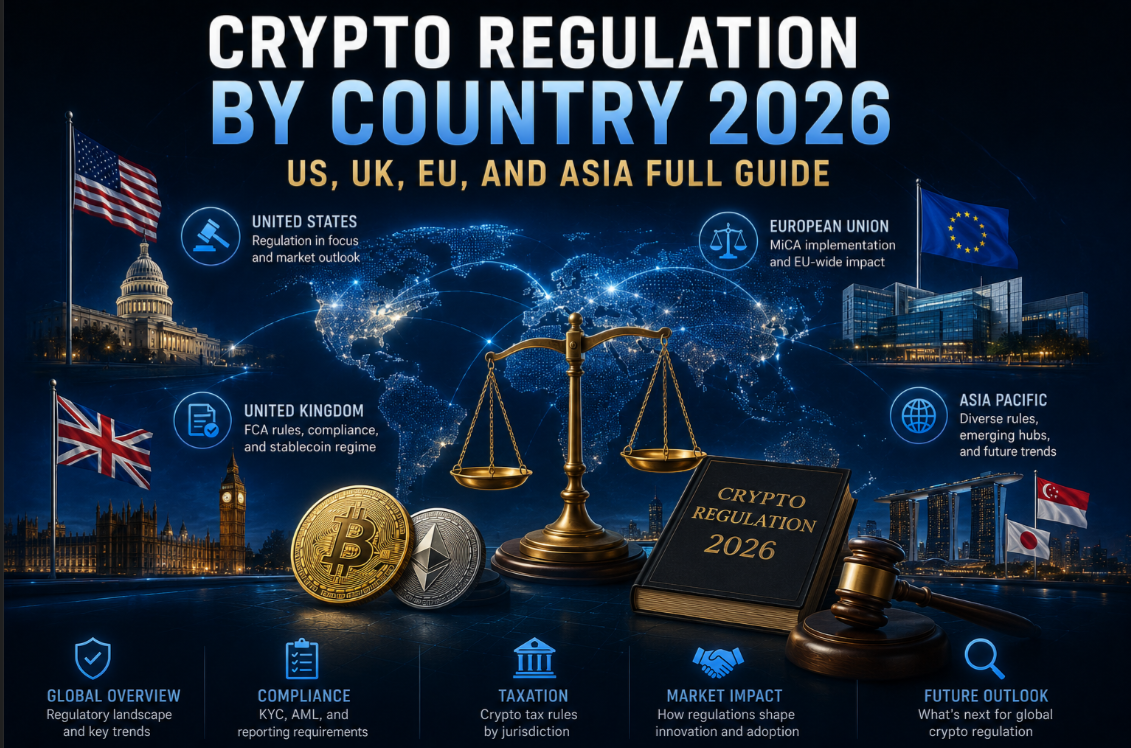
A comprehensive country-by-country guide to cryptocurrency regulation in 2026 — covering the United States, United Kingdom, European Union, Japan, Singapore, Hong Kong, and China. Know the rules before you trade.
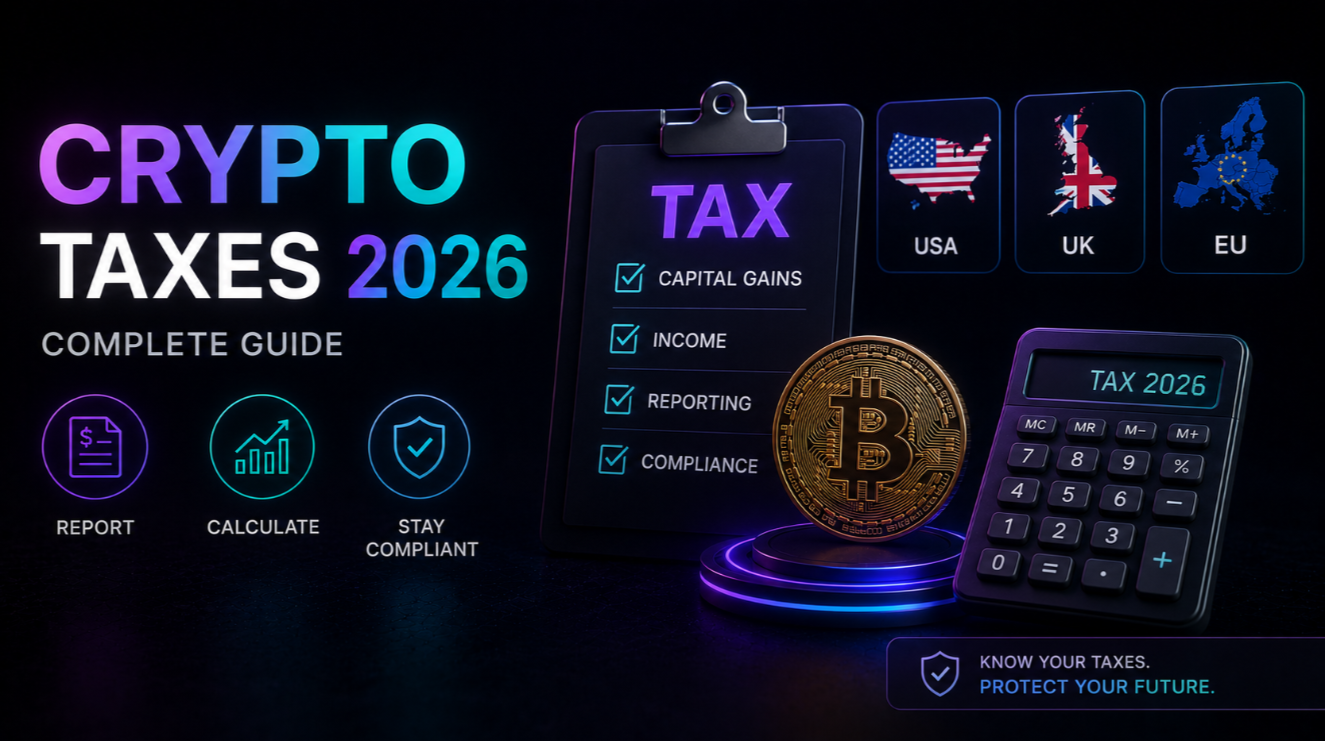
A comprehensive, jurisdiction-by-jurisdiction guide to cryptocurrency taxation in 2026. Covers IRS Form 8949, HMRC CGT, Germany's one-year rule, staking, mining, DeFi, NFTs, stablecoins, reporting tools like Koinly and CoinTracker, and how to prepare for an audit.