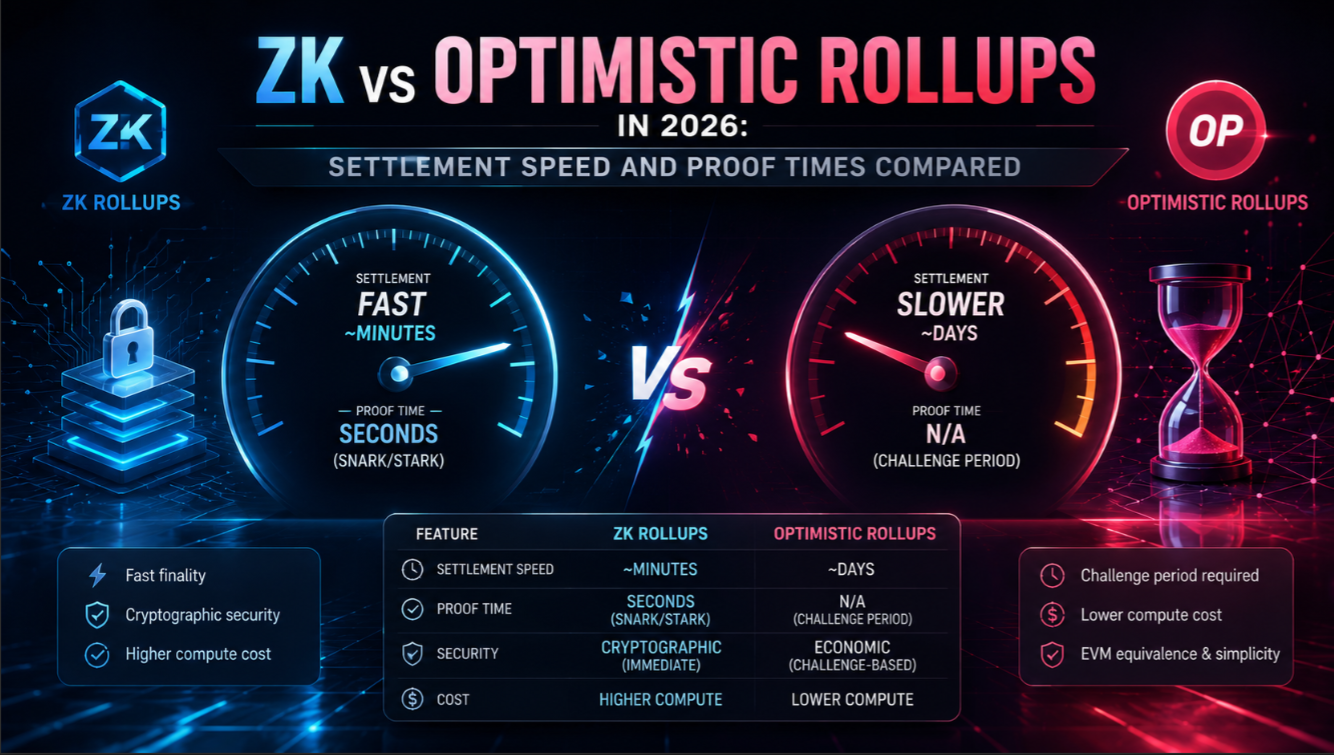
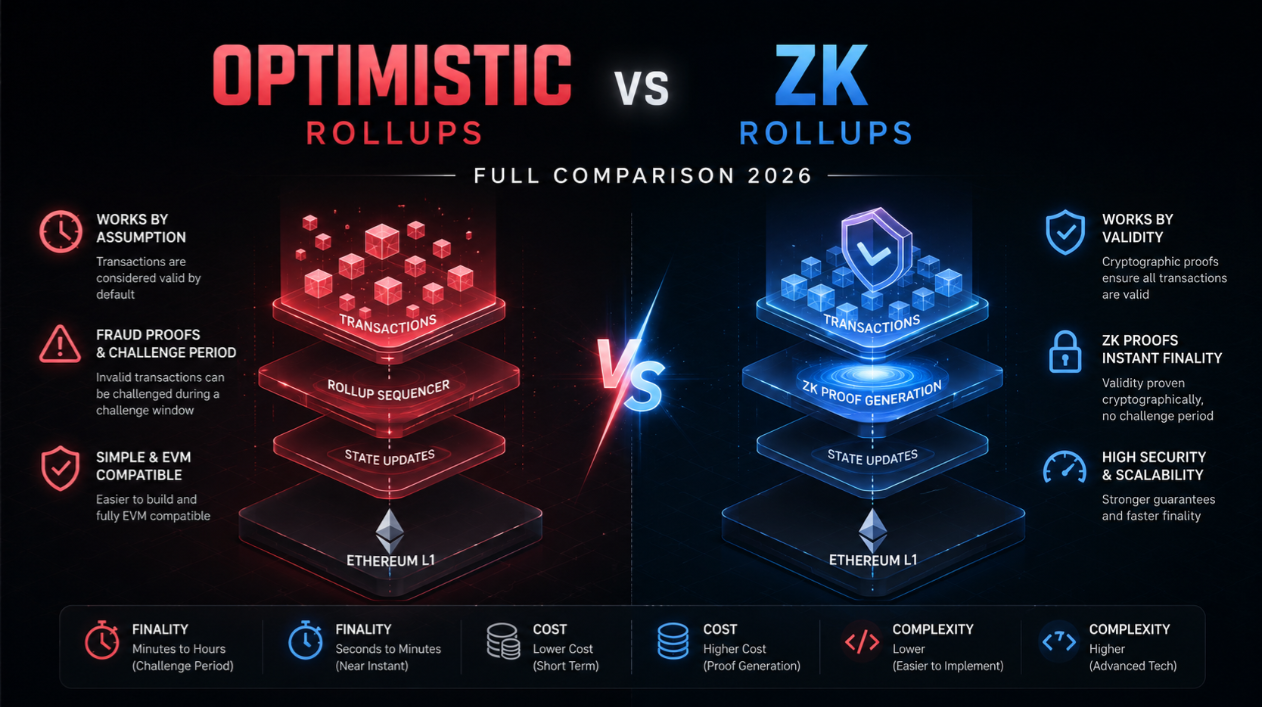
Two years after ZK rollups entered production, we compare ZK and optimistic rollup architectures on settlement latency, proof generation speed, security assumptions, and DeFi suitability — with current benchmarks.
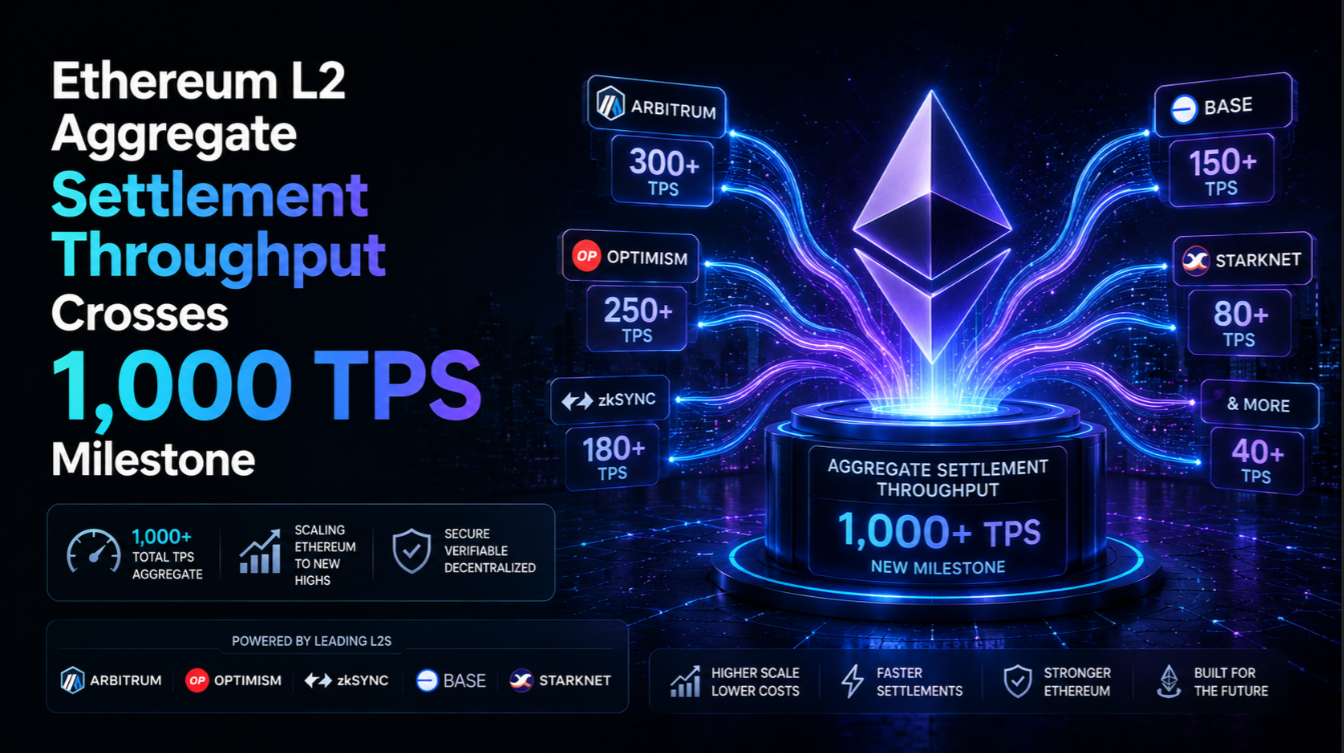
Ethereum Layer 2 networks have crossed 1,000 transactions per second in combined settlement throughput, a figure that surpasses Visa's average daily capacity and validates the multi-year scaling roadmap.
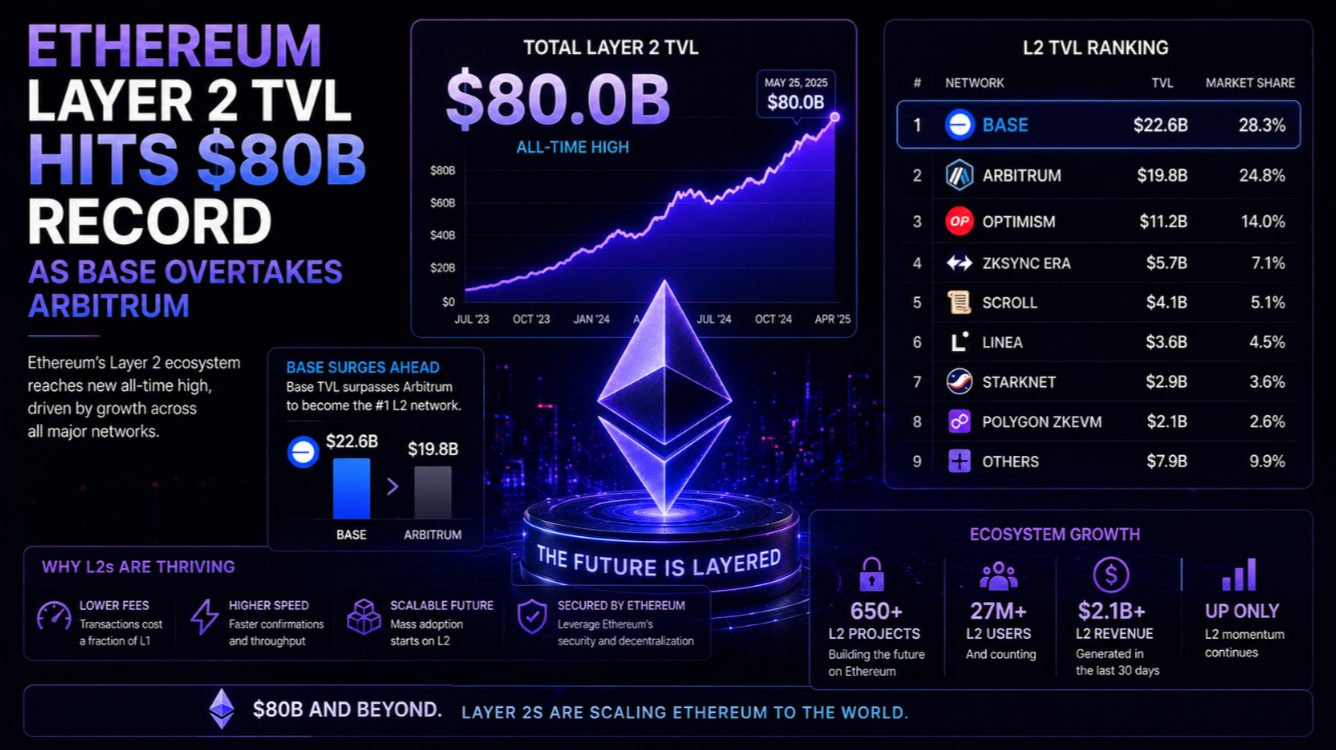
Ethereum Layer 2 networks surge past $80 billion in combined TVL as Coinbase's Base overtakes Arbitrum. Dencun efficiency, ZK-rollup momentum, and ETH burn mechanics reshape the scaling landscape.
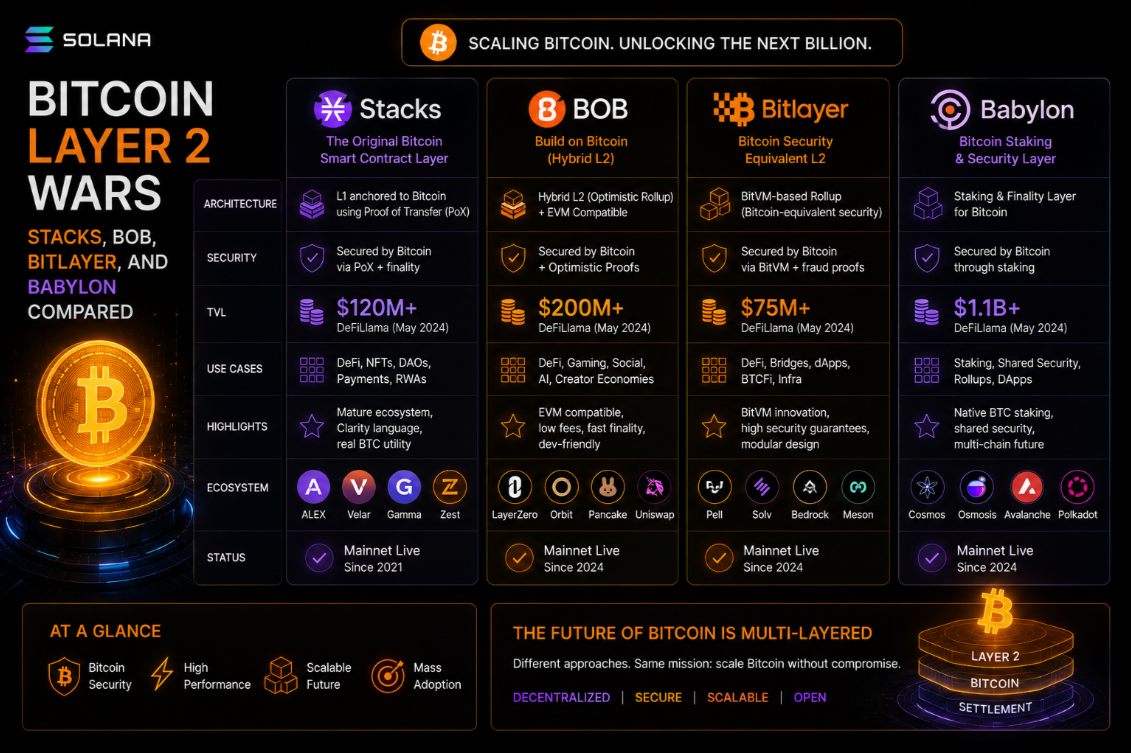
A new generation of Bitcoin Layer 2 protocols — Stacks, BOB, Bitlayer, and Babylon — compete to bring smart contracts and DeFi to BTC. We compare their architectures, TVL, and trade-offs in depth.
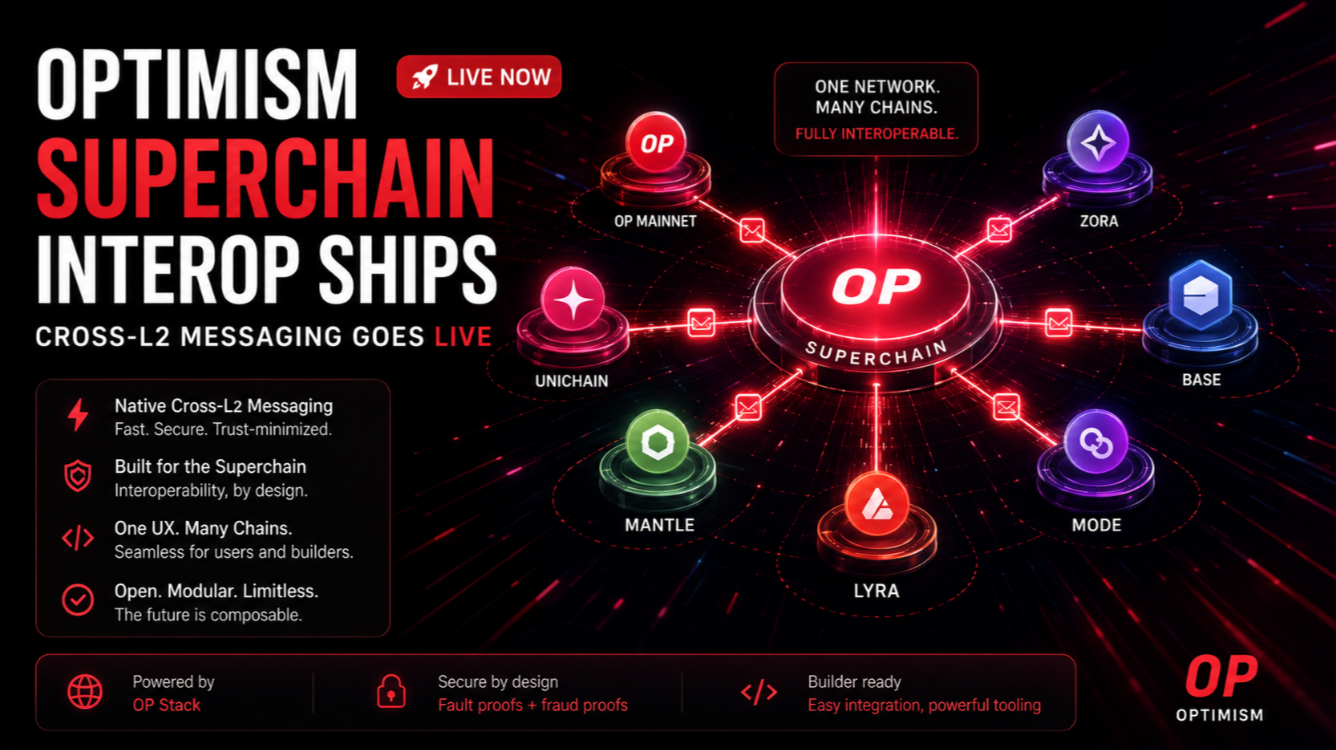
Optimism activated cross-chain messaging across the Superchain, enabling native interoperability between OP Mainnet, Base, Mode, Zora, and other OP Stack chains. We explain the technical mechanics and DeFi implications.
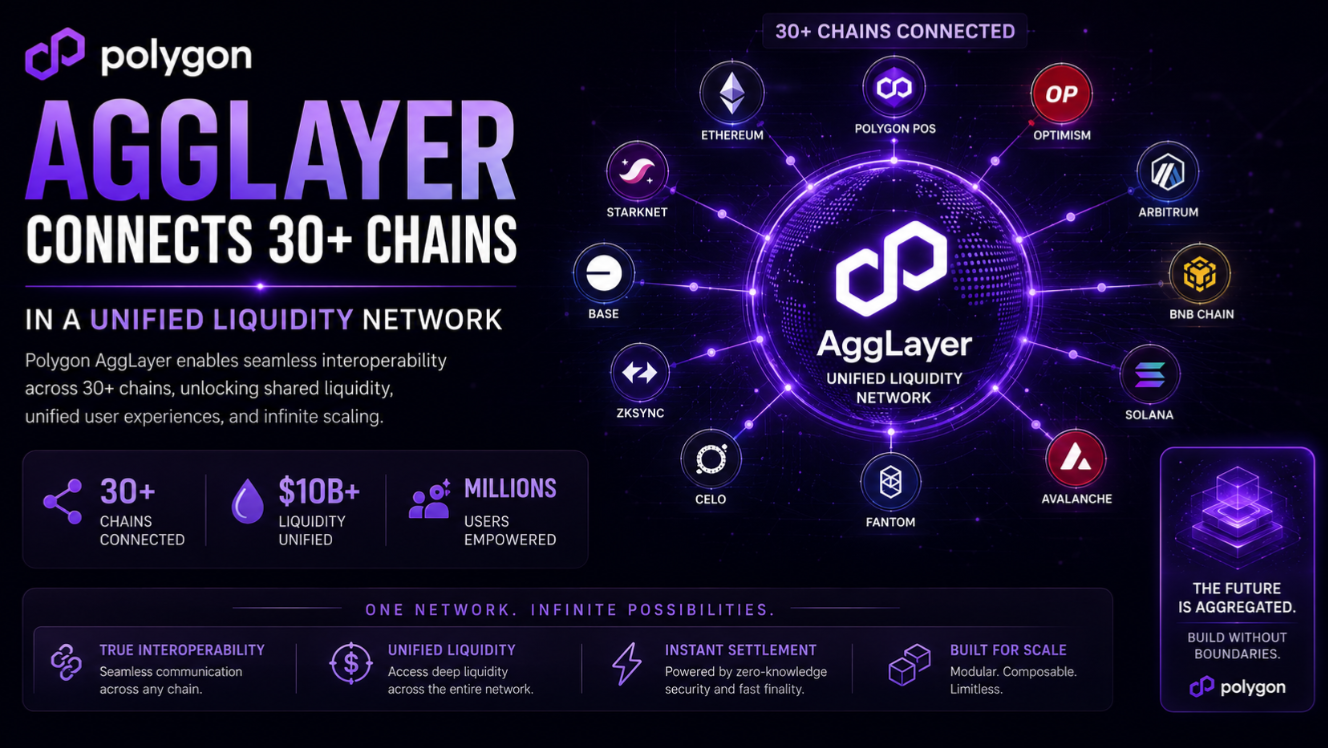
Polygon's AggLayer aggregation protocol now connects more than 30 blockchains into a single unified liquidity layer, enabling cross-chain swaps and atomic transactions without traditional bridges. Here is how it works.
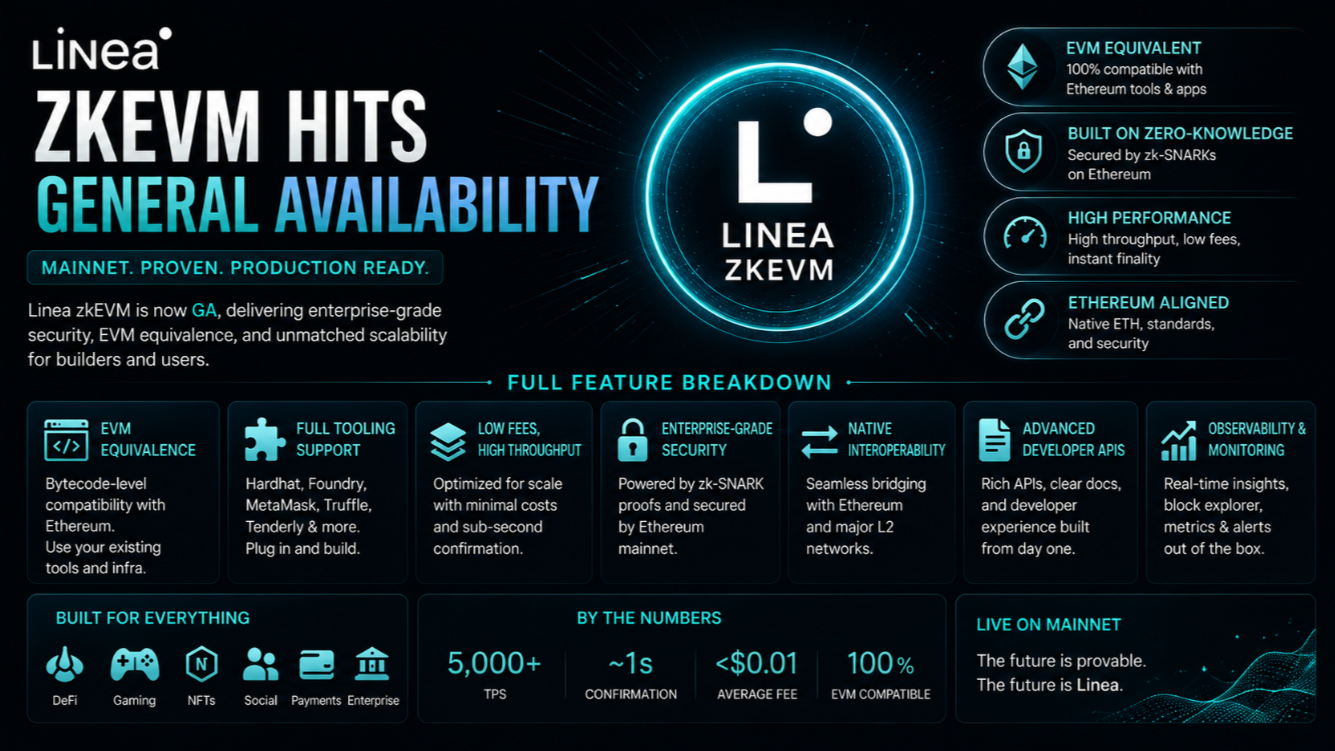
ConsenSys's Linea zkEVM moved from beta to general availability, removing all permissioned restrictions and opening the network to unrestricted deployment. Here is everything developers and users need to know.
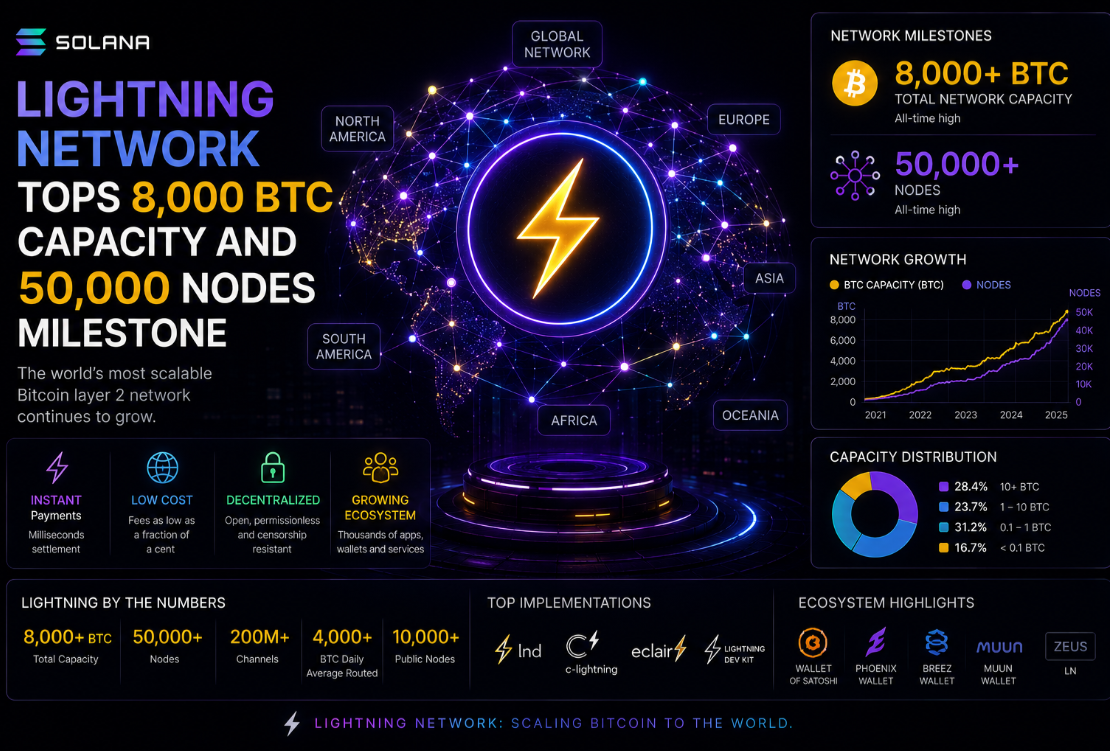
The Bitcoin Lightning Network reached 8,000 BTC in public channel capacity and 50,000 active routing nodes, cementing its position as the leading Bitcoin payments layer for near-instant, low-fee transactions.
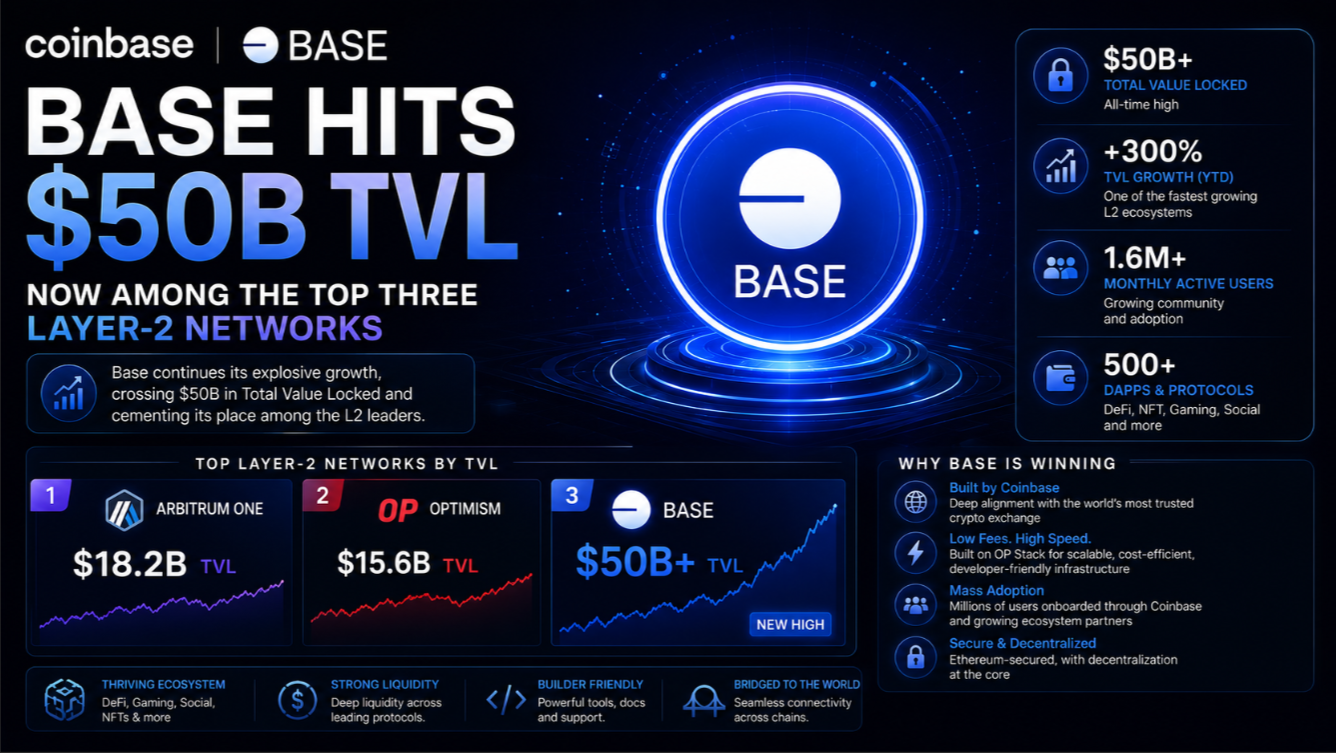
Base, the Ethereum Layer-2 network incubated by Coinbase, crossed $50 billion in total value locked, entering the top three L2s by TVL alongside Arbitrum and OP Mainnet. We break down what drove the milestone.
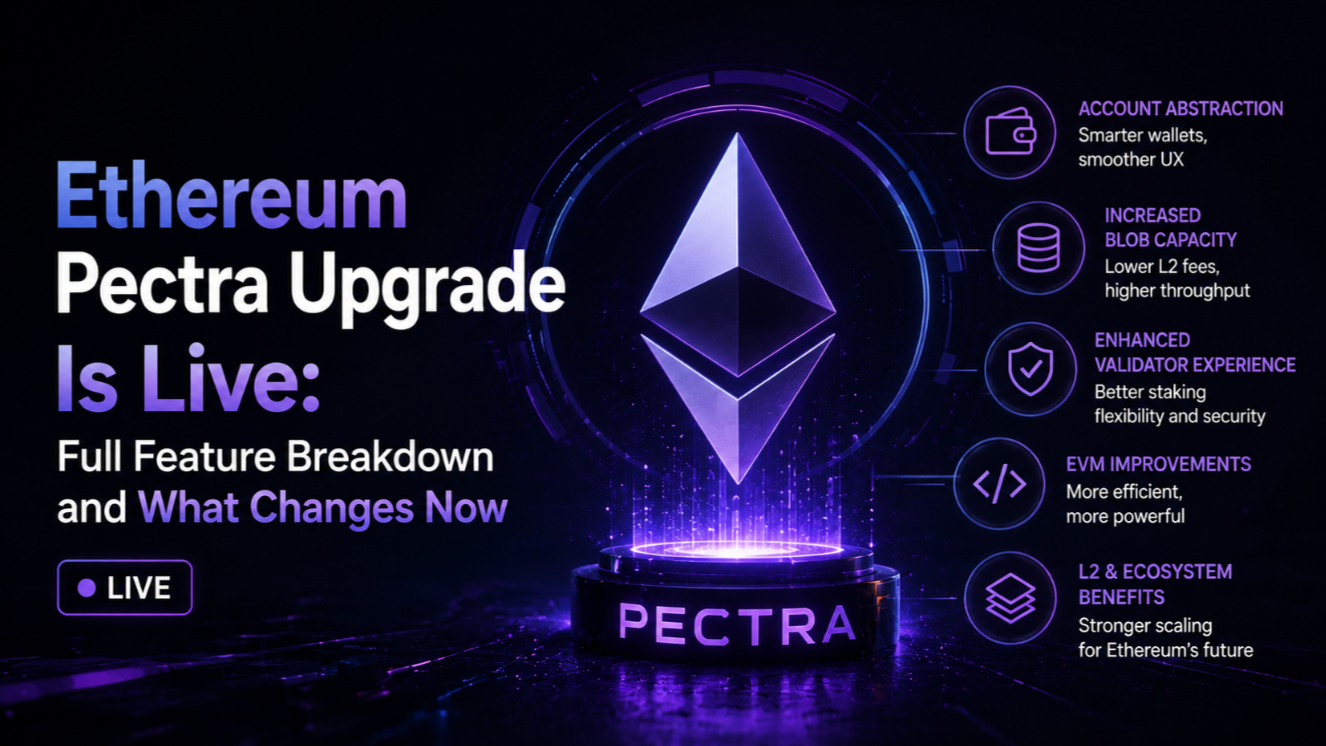
Ethereum's Pectra hard fork has activated on mainnet, bundling EIP-7702, expanded blob capacity, and validator UX improvements. Here is what every ETH holder, staker, and developer needs to know.
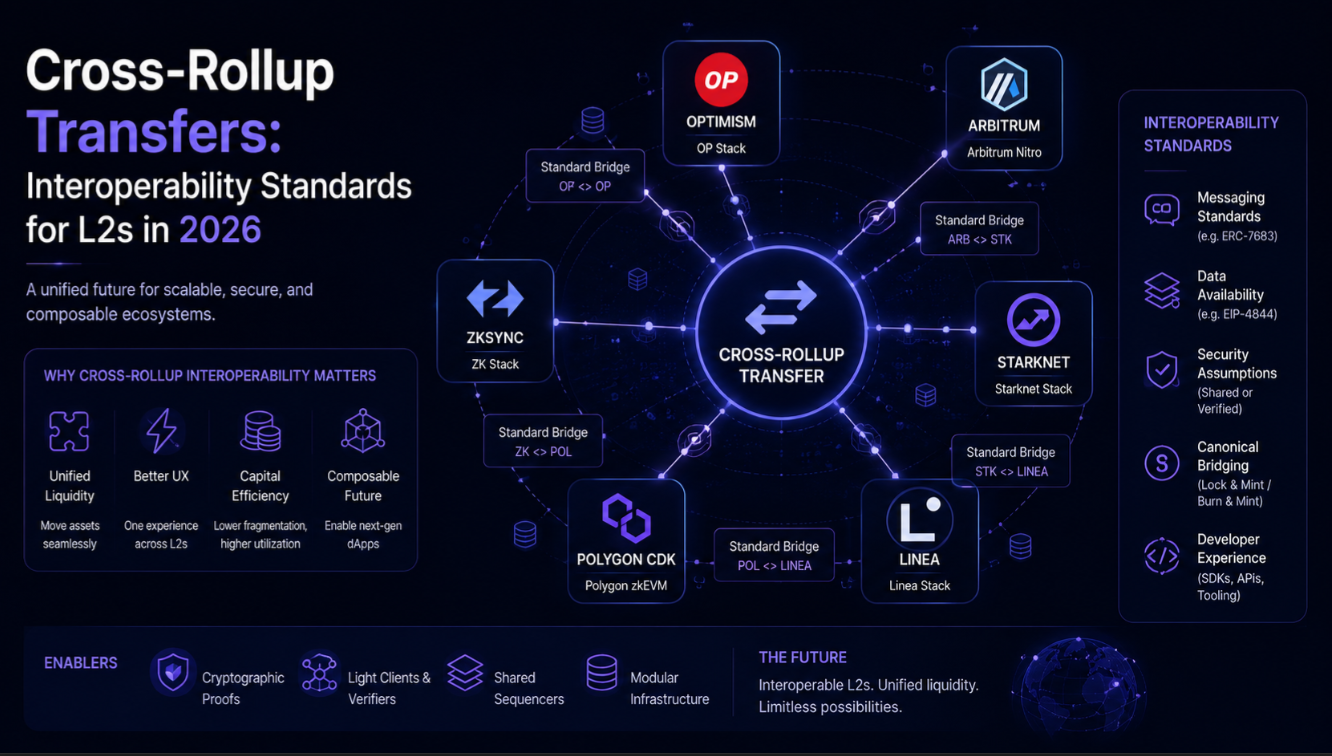
A comprehensive guide to cross-rollup interoperability — covering ERC-7683, OP Superchain native messaging, Polygon AggLayer, shared sequencers, LayerZero OFT, and practical advice for moving assets between Layer 2 networks safely.
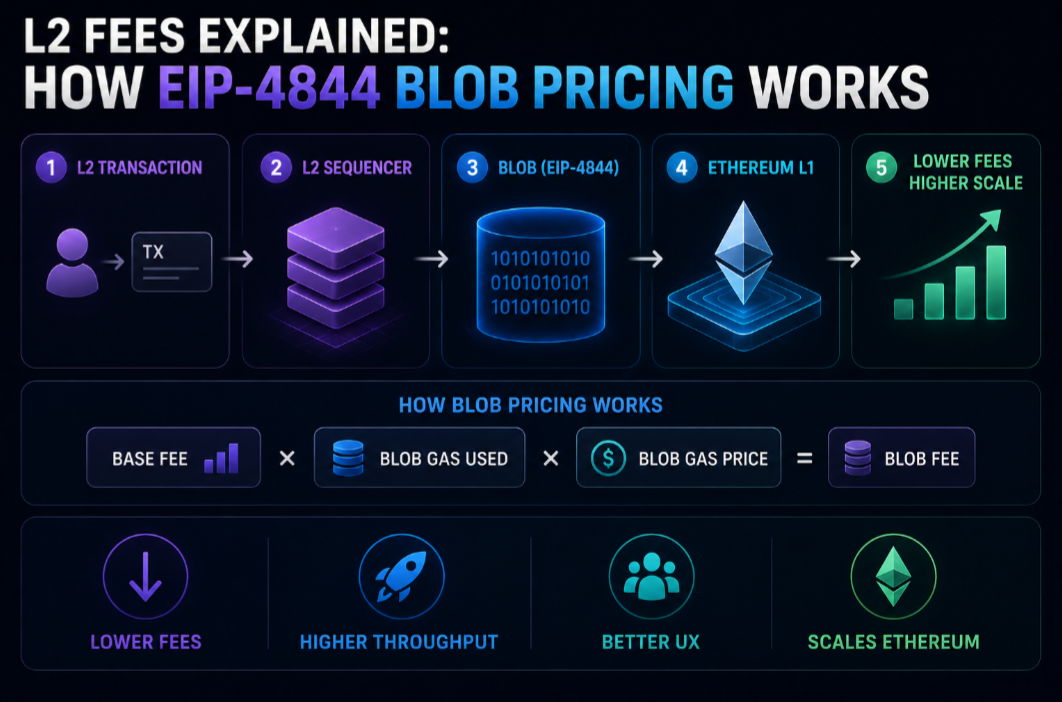
Everything you need to know about Layer 2 transaction fees in 2026 — how EIP-4844 blob transactions work, why fees fluctuate, how rollups calculate your fee, and what full Danksharding will change.
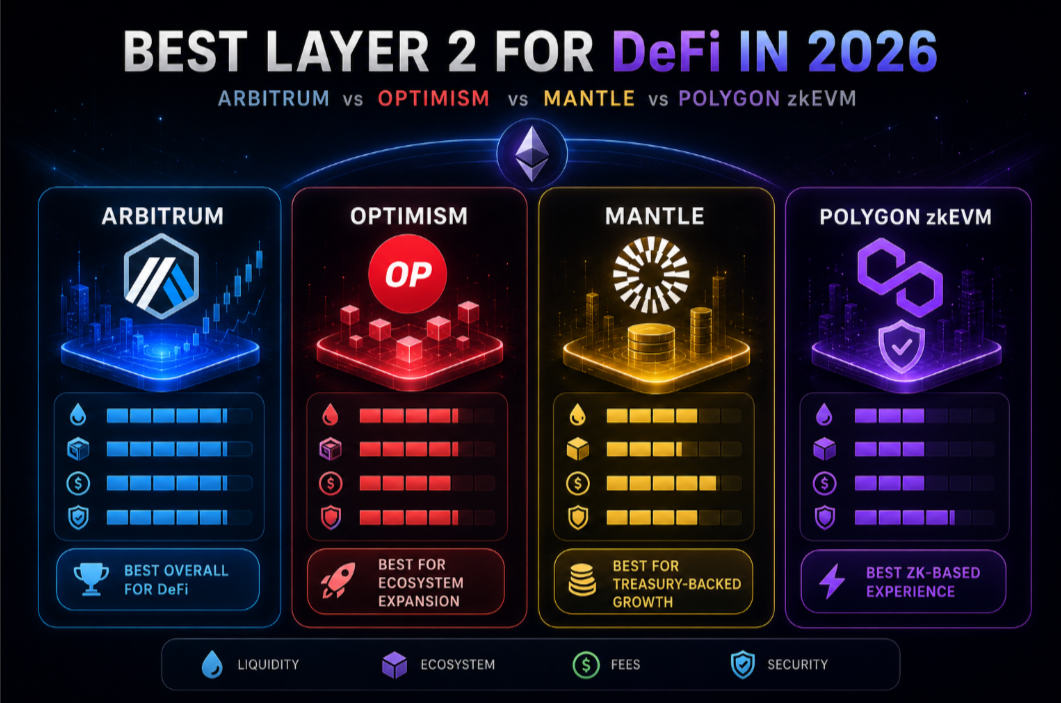
Which L2 is best for DeFi in 2026? A detailed comparison of Arbitrum, Optimism, Base, Mantle, Polygon zkEVM, and zkSync Era — analysing TVL, protocol support, fees, MEV environment, and strategic fit.
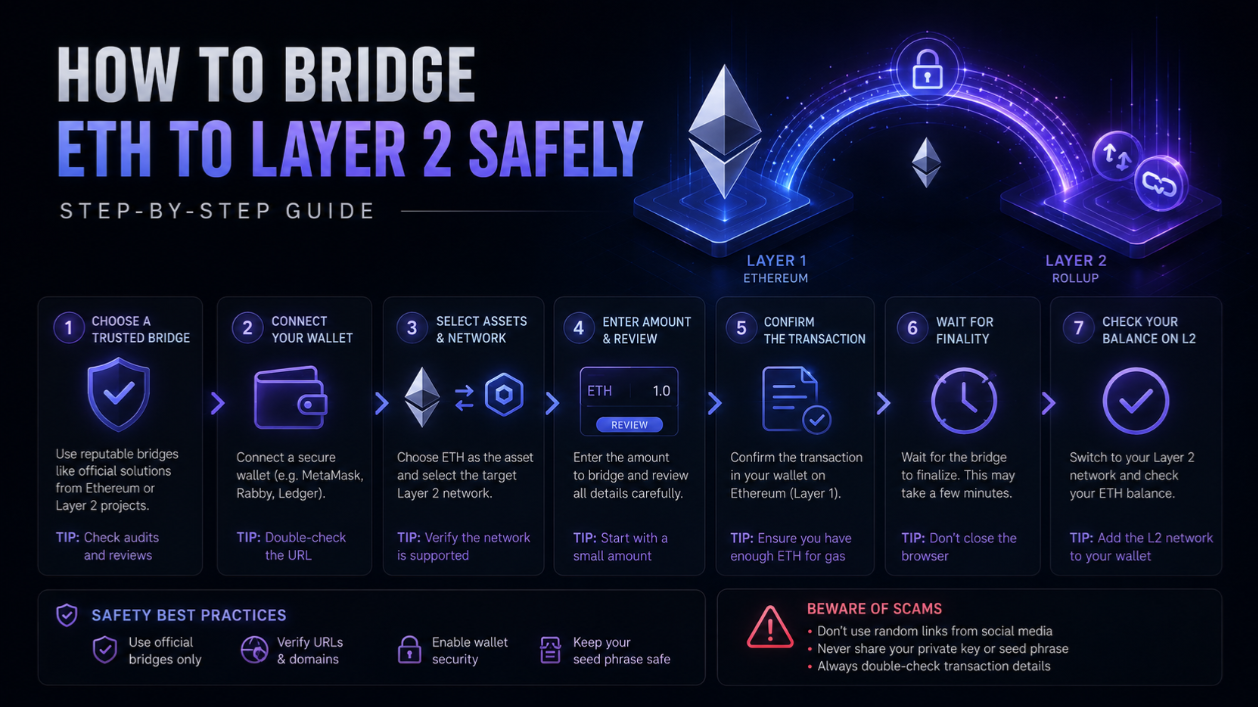
A practical guide to bridging ETH from Ethereum mainnet to Layer 2 networks — covering native bridges, third-party bridges, phishing risks, fee estimates, and best practices for keeping funds safe.
A comprehensive comparison of Optimistic and ZK rollup architectures — covering fraud proofs vs validity proofs, withdrawal times, EVM compatibility, fees, and which architecture to choose for your use case.